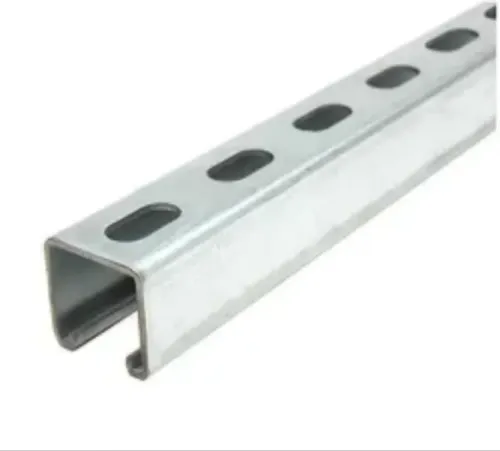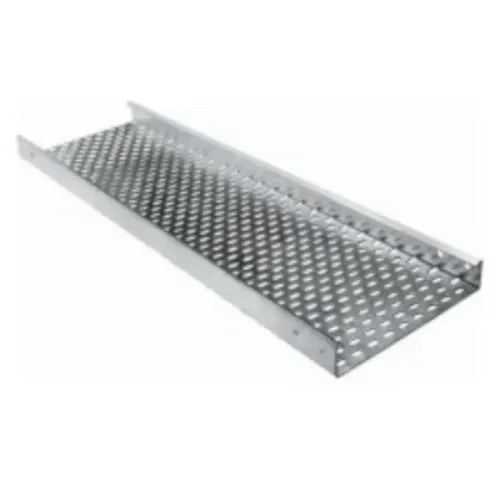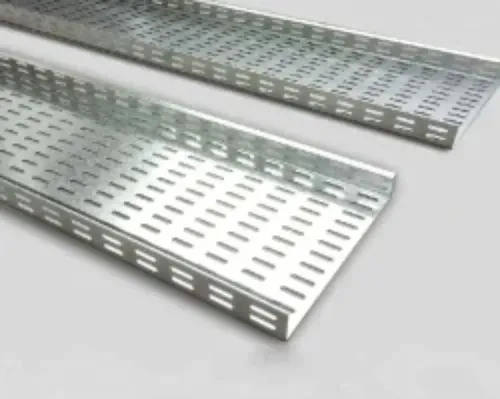


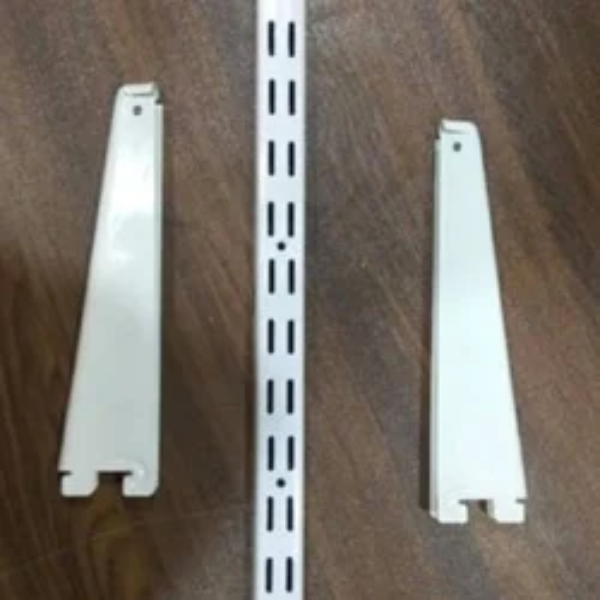
Cable tray support is only as effective as the components connecting the tray to the supporting structure. Brackets need to hold the intended load, fit the available installation space, coordinate with channels, and maintain the required tray position.
For this reason, Channel Brackets should be evaluated during cable tray design rather than purchased as generic mounting hardware.
A few practical checks can help electrical contractors and project procurement teams avoid support-related problems.
Check the Tray Width and Position
Bracket dimensions need to correspond with the cable tray arrangement.
A wall-mounted tray may require a different bracket configuration from a suspended system. The distance from the supporting structure, tray width, cable clearance, and access requirements all influence bracket selection.
Where several tray levels are installed, the support system also needs to maintain appropriate spacing between routes.
Calculate the Real Installed Load
The empty tray is only part of the load.
Once cables are installed, the supporting system must carry the combined weight of the tray, cables, fittings, and associated components. Future cable additions may also need consideration.
Bracket design should therefore be coordinated with channel selection, fixing methods, support spacing, and structural conditions.
Avoid Excessive Support Spacing
Reducing the number of supports may appear economical during initial material planning, but support spacing needs to follow the engineering requirements of the cable tray system.
Longer unsupported spans can increase deflection and place greater demand on individual brackets.
Special consideration may be necessary near:
- Bends
- Tees
- Cable drops
- Vertical transitions
- Heavy cable concentrations
- Equipment termination points
The entire cable route should be reviewed rather than applying one mounting arrangement everywhere without evaluation.
Make Installation Practical
A bracket that satisfies load requirements but obstructs cable installation can still create site problems.
Installers need enough working space to place cables, secure components, and perform future maintenance. Bracket orientation should also avoid unnecessary interference with other building services.
This becomes particularly important in commercial and industrial projects in Bengaluru, where service zones may contain electrical, mechanical, plumbing, fire protection, and communication systems within limited space.
Check Manufacturing Consistency
Large projects may require hundreds or thousands of support components.
Dimensional consistency can improve installation speed because technicians do not need to repeatedly compensate for variations between components.
Hole positions, channel compatibility, dimensions, material thickness, and finish should align with the specified support design.
Coordinate Procurement With Tray Supply
Purchasing supports independently from tray requirements can introduce dimensional mismatches.
Vickram Engineering works in cable management manufacturing, where cable trays and structural support components can be considered as parts of the same project requirement.
For procurement teams, sharing support drawings, tray dimensions, material specifications, quantities, mounting arrangements, and project schedules can improve clarity before production.
Well-selected Channel Brackets help create stable and organized cable tray installations. The best selection process considers load, dimensions, support spacing, fixing conditions, material, accessibility, and compatibility with the rest of the system.
For electrical contractors, EPC companies, industrial facilities, and construction teams across Karnataka, reviewing these details before ordering can reduce site adjustments and support a cleaner, more consistent cable management installation.