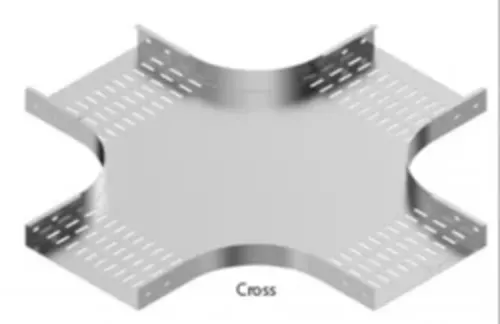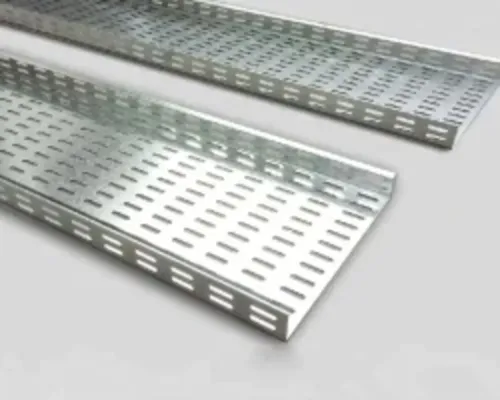
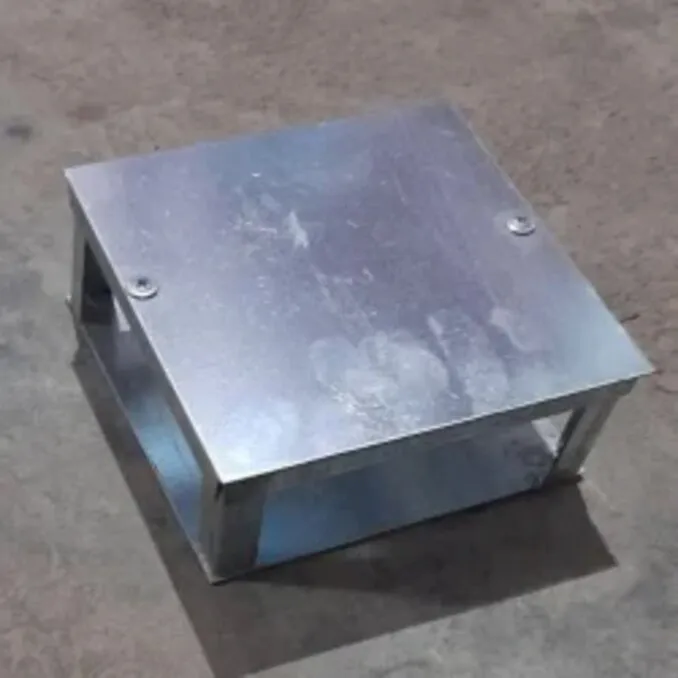
An urgent junction-box replacement fails when the box fits the catalogue description but not the existing raceway, cable entries, cover, or earthing path. By the end, you will have a practical specification, inspection checklist, and Bengaluru ordering process for securing a usable replacement without turning a short repair into repeat work.
Key takeaways
- State whether the box joins, terminates, redirects, or branches conductors.
- Confirm internal cable volume, entry sizes, enclosure rating, and working environment.
- Request dimensions, material, gasket, gland, and delivery details before dispatch.
- Inspect the box, seals, entries, and earth continuity before energising.
Identify the junction box you actually need before calling for stock
A junction box encloses conductors that are joined, terminated, or redirected. Before requesting industrial junction box supply, state whether you need that function rather than relying on “cable raceway junction box.”
| Function | What it does | What it is not |
|---|---|---|
| Junction box | Contains splices, terminals, or redirected conductors | Not automatically a raceway fitting |
| Raceway fitting | Changes direction or joins raceway sections | Not a termination enclosure |
| Pull or inspection box | Provides access for drawing and servicing cables | Does not necessarily contain terminals or splices |
| Cable-tray transition box | Connects tray, trunking, duct, or raceway to an enclosed entry | Not a generic tray accessory |
Specify whether you need an empty enclosure or a wired assembly. A wired assembly can include terminal blocks, earth terminals, DIN rail, glands, ferrules, labels, and internal links; these affect usable space, heat dissipation, short-circuit withstand, and inspection.
For a replacement, send:
- Existing raceway type, width, and height; box length, width, and depth
- Cable service, conductor sizes, number of entries, and each entry position
- Cover style and required IP rating
IEC 61084 covers cable trunking and ducting systems; IEC 60670-1 covers general requirements for boxes and enclosures for electrical accessories. Ask which edition applies and request conformity evidence. Also confirm that the box matches the existing raceway system mechanically. A nominally similar box is unusable when its entries or cover do not align.
Match the enclosure to cable space, entries, environment, and service
Select the enclosure from the installation constraints, not cable count alone. Measure raceway width and height, then confirm compatibility with the existing cover, side rails, reducer, tee, bend, ladder tray, perforated tray, or trunking connection. A search labelled cable raceway junction boxes supply urgent repairs in bengaluru still needs these measurements.
1. Mark every entry location and size. A similar-looking box is unusable when glands or knockouts miss the incoming raceway.
2. Calculate internal volume from conductor diameter, bend radius, terminal geometry, splice count, and working clearance. Forcing conductors behind a closed cover damages insulation, loosens terminations, and obstructs inspection.
3. Specify the hinged or screw-fastened cover, gasket material, cable-gland type, blanking plugs, knockouts, earthing studs, bonding links, drain plug, wall thickness, and mounting-hole pattern.
4. State the actual environment: indoor control room, dusty plant, rooftop, monsoon-exposed location, washdown area, chemical process zone, or high-temperature area. Request the IP rating for the complete installed assembly, including cover, gasket, glands, plugs, conduit entries, and unused knockouts. Open entries or mismatched glands can reduce protection below the box marking.
5. Identify the service as power, instrumentation, control, or data. Keep sensitive signal circuits separate from power conductors where the design requires segregation, spacing, screened entries, separate compartments, or separate boxes. A crowded shared enclosure increases noise and maintenance risk.
Choose materials and preserve mechanical, electrical, and corrosion performance
Choose the material from the mechanical load and exposure, not availability alone. Galvanized steel suits impact-prone installations requiring a robust metallic enclosure. Aluminum reduces weight and handling effort, but confirm compatibility with the attached raceway and fasteners.
| Material | Strength | Use it when |
|---|---|---|
| Galvanized steel | High impact resistance and durable metallic construction | The installation faces knocks, industrial handling, or exposed routing |
| Aluminum | Lower weight with useful corrosion performance | Handling effort matters and the raceway, fasteners, and coatings are compatible |
| Stainless steel | Strong corrosion resistance | Humid, chemical, or washdown areas, with the grade and finish matched to exposure |
| Painted mild steel | Practical protected enclosure | Indoor locations where moisture, chemicals, and construction damage will not attack the coating |
Treat dissimilar-metal joints as a design issue. Wet contact between incompatible metals can create galvanic corrosion, so use compatible fasteners, approved isolating hardware, or a specified transition arrangement. Confirm compatibility with GI raceway, aluminum raceway, tray, and fittings before dispatch.
A metallic box is not automatically an effective protective-conductor path. Paint, powder coating, glands, locknuts, and removable covers can interrupt continuity; provide bonding hardware or a separate earth connection, then verify continuity after installation. Ask for the operating-temperature range and any fire, flame-retardance, or chemical-resistance requirement.
For urgent electrical repairs in bengaluru, an ordinary IP-rated box is insufficient in a classified hazardous area: the enclosure, glands, stopping plugs, terminals, and installation method must match the IEC 60079 protection concept and certification.
Place an urgent Bengaluru order that can be dispatched and installed
Send one complete request to a cable raceway junction boxes supplier in bengaluru, not a message asking only whether a box is available. For cable raceway junction boxes supply urgent repairs in bengaluru, use this procedure:
1. State the plant name, industrial corridor, site contact and mobile number, delivery gate, unloading point, required arrival time, and contact availability. Identify Peenya, Bommasandra, Whitefield, Hosur Road, Nelamangala, or another corridor, then provide gate restrictions, vehicle limits, security process, and permitted delivery window.
2. Attach raceway photographs, a dimension sketch, and nameplate or part-number photographs. Specify quantity, service type, raceway type and size, enclosure material, length, width and depth, entry count and positions, gland type and sizes, IP requirement, terminals or splice arrangement, earthing method, operating temperature, and any hazardous-area requirement.
3. Ask for the dispatch location, order cut-off time, quantity physically in stock, same-day or next-day availability, delivery window, and packing method. Request an itemised confirmation covering glands, plugs, fasteners, mounting hardware, terminal blocks, labels, and earth accessories. Confirm whether the offer is an empty enclosure or a wired and tested assembly.
Vickram Engineering can be included in the comparison when its team verifies configuration, physical stock quantity, packing, and dispatch conditions against these fields. Treat “available” as confirmed only when the supplier identifies the actual configuration and quantity; Bengaluru traffic can turn a fast dispatch into a late site delivery.
Inspect the replacement at receipt and before energising the circuit
A delivered replacement is not ready for the repair crew until its configuration matches the approved dimensions, drawing, photographs, and purchase request. This check prevents a nominally similar box from reaching an isolated installation where incorrect entries or missing parts delay urgent electrical repairs in Bengaluru.
1. Compare the shipment with the request and count the enclosure, cover, gasket, glands, blanking plugs, fasteners, mounting brackets, earth studs, terminal blocks, and labels. Inspect the cover for distortion, gasket cuts, damaged threads, chipped coating, blocked drain features, and transport impact marks. Record discrepancies before acceptance.
2. Test the box against a spare raceway section or the isolated installation before cutting new entries. Match gland sizes to cable outer diameters, and seal unused knockouts with compatible plugs. Check conductor bending space, terminal ratings, clearances, creepage, ferrule fit, label visibility, and the terminal tightening instructions.
3. Verify protective-bonding continuity across the box, cover, glands, locknuts, and attached metallic raceway with a suitable continuity test; visual metal contact proves nothing. Record IP evidence for the complete installed assembly, including glands, plugs, entries, and cover, rather than relying on the enclosure marking.
Keep power separate from sensitive control or data circuits as designed.
Before energising, inspect termination torque, insulation condition, phase identification, earth connection, and cover closure. If any dimension, entry, rating, or certification check fails, stop installation and request a corrected configuration instead of modifying the box casually on site.
Frequently asked questions
What information should I provide when requesting industrial junction box supply?
State the box function, internal cable space, cable entry sizes and directions, enclosure environment, material preference, and required delivery time.
How do I match a junction box to an industrial installation?
Check conductor fill, bend space, gland or conduit entries, ingress protection, temperature exposure, chemical contact, corrosion risk, and access for maintenance.
Which junction box materials suit urgent industrial repairs?
Choose a material that matches the environment: painted steel for protected indoor areas, stainless steel for corrosive conditions, or suitable engineering plastic where insulation and corrosion resistance matter.
What should I inspect before energising a replacement junction box?
Check the part and enclosure dimensions, cable entries, gasket and cover, terminals, gland tightness, conductor identification, earthing or bonding, and insulation test results.
Keywords