
Cable routes rarely travel in a perfectly straight line. Electrical services need to move around columns, machinery, walls, ducts, equipment, structural members, and changes in elevation. Every change in direction needs to be handled without compromising cable organization or creating unnecessary installation difficulty.
The Cable Tray Bend is therefore a functional part of cable management design rather than a minor accessory.
Selecting bends correctly can improve cable routing, simplify installation, and reduce last-minute modifications at project sites.
Start With the Actual Route
Before ordering bends, project teams should review cable tray layouts and identify every change in direction.
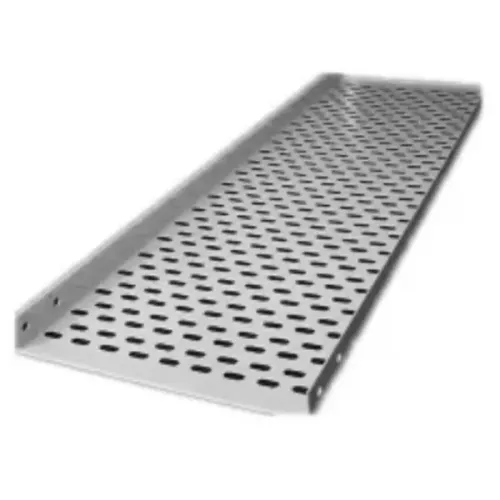
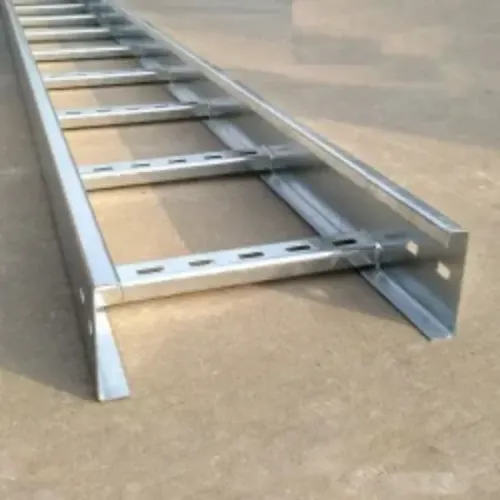
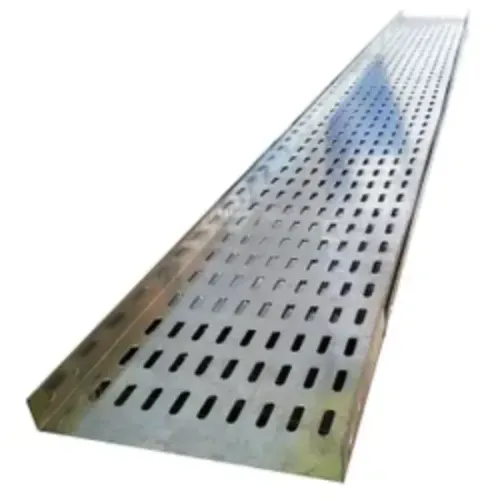
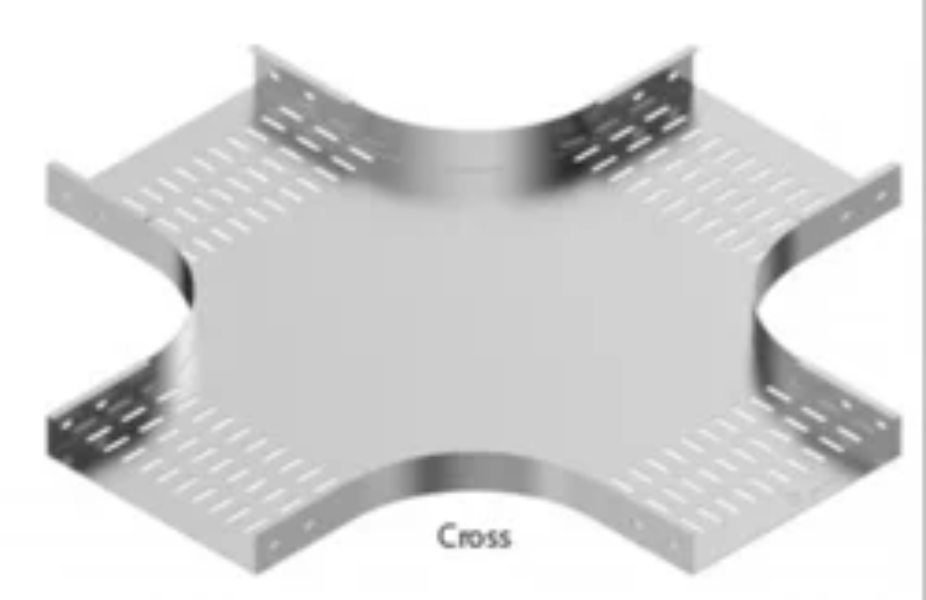
Depending on the installation, the route may require horizontal changes, vertical transitions, junctions, reductions, and other fittings. These components need to coordinate with the width, depth, material, and construction of the main tray.
Ordering tray lengths before finalizing route geometry can create problems when installers reach corners and elevation changes.
Cable Characteristics Affect Bend Selection
Different cables have different installation requirements. Large power cables, control cables, communication wiring, and other electrical cables should not simply be forced through whichever bend fits the available space.
Cable bending limitations and project specifications need to be respected.
A well-planned bend should provide a practical transition while supporting orderly cable placement. Sharp or awkward routing can make cable installation difficult and may place unnecessary stress on cables.
Common Planning Mistakes
Several avoidable problems appear repeatedly in cable tray installations:
- Bend dimensions not matching the main tray
- Incorrect direction selected from drawings
- Insufficient clearance around structural elements
- Poor coordination with other services
- Site-made fittings used because quantities were underestimated
- Support locations ignored near direction changes
- Future cable additions not considered
These issues may appear small during procurement but can consume considerable installation time.
Coordination With Other Services Is Essential
Commercial and industrial buildings often contain electrical trays, HVAC ducts, piping, fire protection systems, structural elements, and communication services within the same service zones.
A bend that looks correct on an isolated electrical drawing may conflict with another service when installed.
Coordination drawings and accurate site measurements are therefore valuable, particularly in congested areas.
This is highly relevant to Bengaluru's industrial facilities, data-oriented developments, commercial construction, and infrastructure projects, where building services can be densely integrated.
Standardization Can Simplify Procurement
Where possible, project teams can benefit from standardizing tray widths, materials, and fitting configurations across repeated routes.
Standardization can:
- Simplify quantity estimation
- Reduce fitting variations
- Make replacement easier
- Improve installation consistency
- Reduce unnecessary site fabrication
However, standardization should not override genuine engineering requirements.
Evaluate the Manufacturer's Ability to Support the Layout
For projects involving many route changes, procurement should consider whether the cable tray manufacturer can supply compatible fittings alongside straight sections.
Vickram Engineering supports cable management requirements where trays, bends, structural supports, and related accessories need dimensional coordination.
Providing accurate drawings, tray specifications, material requirements, quantities, and route details can help manufacturers understand what the project actually needs.
A Cable Tray Bend may occupy only a small portion of the total cable route, but poorly planned bends can affect a much larger part of the installation.
For electrical contractors and EPC teams across Bengaluru and Karnataka, reviewing fittings during the design and procurement stages can reduce site complications and create a more consistent cable management system from the first straight section through the final change in direction.