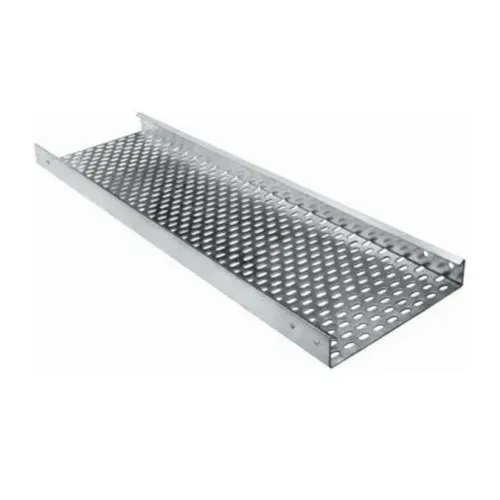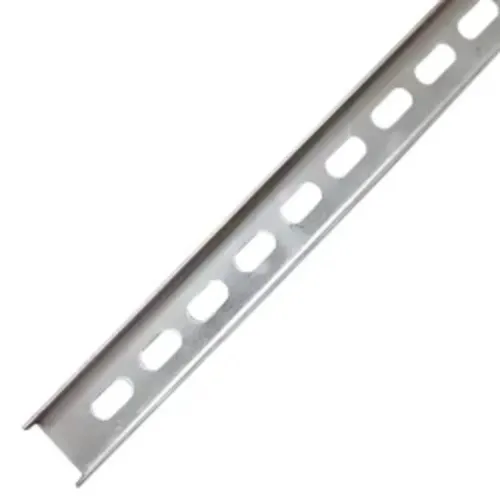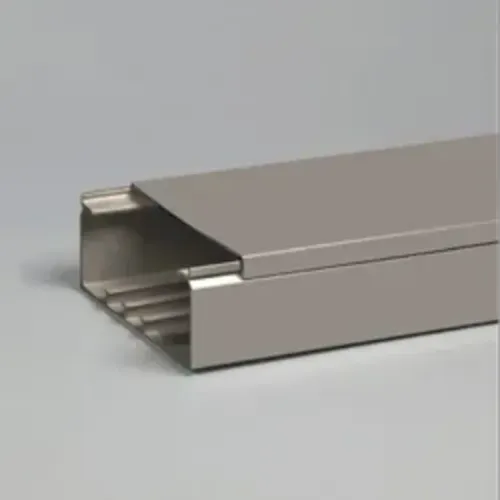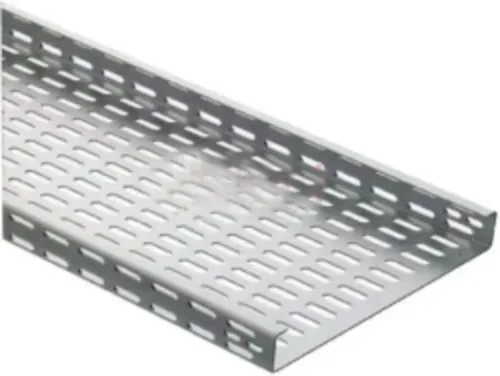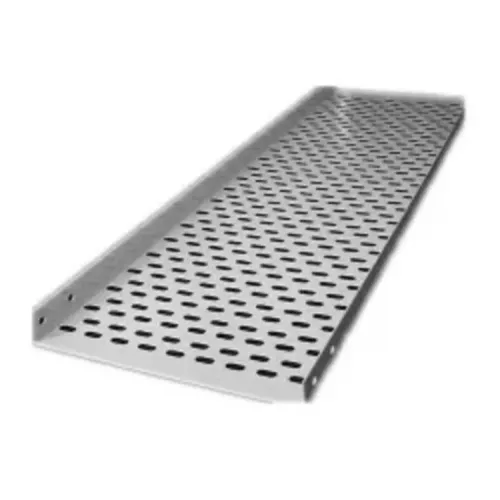
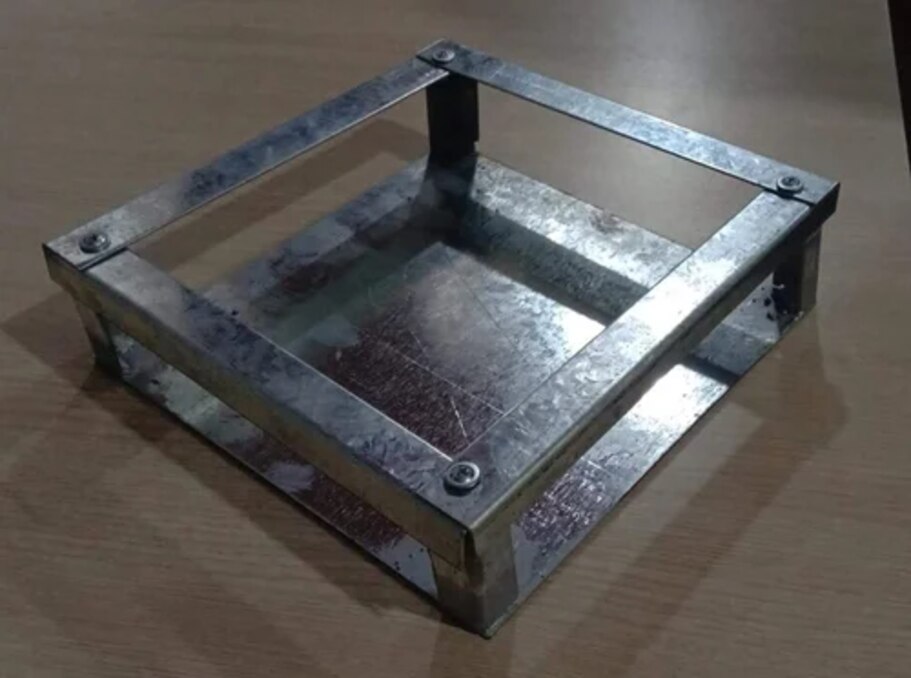
A quoted “junction box” can mean an enclosed splice box, an open horizontal bend, or a bundle of separate tray fittings and hardware. By checking the parts list, interface dimensions, bend radius, enclosure requirements, and bonding provisions, you can determine whether the supplied kit will fit and function at your route junction.
Key takeaways
- Ask for a parts list separating the box, bend, tee and transition.
- Confirm internal dimensions and the minimum cable bend radius before ordering.
- Require assembly, sealing and earthing details for the route junction.
- Request a Bengaluru quote with quantities, materials, finish and delivery terms.
What the quoted junction-box kit should contain
A complete quote names the enclosure and every interface part; “junction box” alone does not prove that the bend assembly is included. For cable raceway junction boxes for horizontal tray bends, check whether the supply is an enclosed junction, an open tray fitting, or both.
A physical kit may contain:
- box body or enclosure, horizontal bend or transition pieces, and a removable cover
- splice plates or coupling connectors for tray side rails, with bolts, nuts, and washers
- bonding jumpers across joints where electrical continuity is required
- cable-entry glands, gaskets, blanking plates, drain or breather devices, and mounting brackets
- cable clamps or internal supports, plus divider plates when separate cable groups need segregation
Do not assume every line belongs in one package. A true junction box needs entry openings or glands, a mounting arrangement, an accessible cover, and a stated IP rating; “weatherproof” is not an IP rating. The tray bend maintains the supported cable path, while the enclosure handles splicing, termination, or transition.
| Quoted wording | What you receive | What to verify |
|---|---|---|
| Complete kit | Box, bend or transition, cover, joining and bonding hardware, entries, and supports | Quantity per junction and included accessories |
| Assembly only | Named box and fittings, with some accessories included | Missing glands, plates, fasteners, or brackets |
| Separate items | Each component priced as its own line | Compatibility, quantities, and installation responsibility |
Ask for a line-item bill of materials and drawing before accepting the quotation.
Separate the bend, box, tee, and transition
A horizontal bend changes the cable-support path; a junction box creates an enclosed point for access, splicing, termination, or connection to another raceway. Treat cable junction box bend fittings as separate items unless the quotation explicitly combines the tray fitting, enclosure, cover, and joining hardware.
| Fitting | What it does | What it does not provide |
|---|---|---|
| Horizontal bend | Turns the tray through a stated angle and radius while supporting cable | It does not enclose a splice or provide cable-entry glands |
| Junction box | Houses splices, taps, terminations, or a raceway connection behind an accessible cover | It does not automatically form the tray’s bend or carry the full tray load |
| Horizontal tee | Divides one tray run into two branches at a horizontal cable route junction | It does not provide an enclosure for conductors |
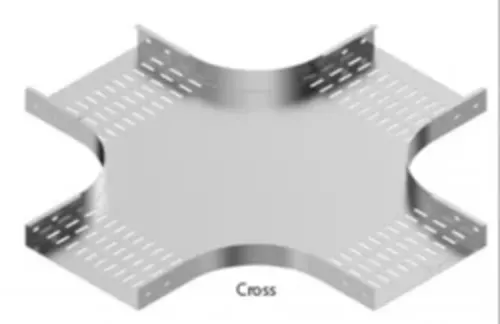
| Cross | Divides one route into three branches | It does not replace a junction box |
| Transition or reducer | Connects different tray widths, depths, or raceway types | It does not create splice space or an ingress-protected chamber |
A true junction box needs its own box body, cover, entry openings or glands, blanking plugs, mounting provision, and specified IP rating. “Weatherproof” is not an IP rating.
Select the enclosure for conductor volume and access, then verify whether splice plates, bolts, washers, bonding jumpers, gaskets, and support hardware are included; a tray bend alone cannot perform those enclosure duties.
How installers assemble and protect the route junction
Join tray or raceway sections at horizontal cable route junctions with the manufacturer’s splice plates, bolts, nuts, and washers; do not rely on a cover or enclosure wall as a structural joint. Align the side rails, base, and entry openings before tightening, then remove burrs that could damage insulation.
Use this assembly sequence:
- Set the bend, tee, or transition on its specified support arrangement; do not assume the straight-tray span rating applies to the fitting.
- Install splice plates on every tray or raceway joint and tighten fasteners evenly so the route stays level and the cable-support surface remains continuous.
- Fit the junction enclosure, mounting brackets, cable glands, blanking plugs, and divider plates required by the cable layout.
- Bond across every discontinuity with bonding jumpers where the joint does not provide verified electrical continuity.
- Install the cover only after cables have the required bend radius and pulling clearance.
A true junction box needs its own enclosure rating, such as IP65, plus a compatible gasketed cover and defined cable-entry method. “Weatherproof” alone does not establish protection against dust or water.
Support the box and fitting independently when their weight, cable load, or manufacturer’s table demands it. A loose bend can distort the tray and overload splice plates.
Keep the cover removable without dismantling adjacent tray. Leave working clearance for cable pulling, gland tightening, inspection, and future replacement; never bury the enclosure behind permanent cladding or pack cables across its access opening.
Dimensions and cable-bend limits that determine fit
Confirm the tray geometry and every cable’s minimum bend radius before ordering; a nominal tray width alone cannot prove that a horizontal bend junction box will fit.
Record these horizontal tray bend junction box details:
- Tray series, straight-section profile, nominal width, side-rail height, material, finish, cover type, bend angle, and centre-line radius.
- Junction-enclosure length, width, depth, usable internal volume, cover clearance, mounting-hole pattern, and required IP rating.
- Interface dimensions: tray-to-box opening, raceway size, cable-entry plate, gland thread or hole diameter, transition direction, and flange dimensions.
- Loading data: cable count, outside diameter, combined cable weight, tray fill, support spacing, and the manufacturer’s allowable load at the bend.
- The largest cable’s minimum static and installation bend radius, measured from the cable data sheet; fibre and power cables often require different limits.
| Measurement | Confirm before ordering | Fit failure if missed |
|---|---|---|
| Tray geometry | Width, height, angle, radius, series, and cover clearance | The bend will not align with straight tray or its cover |
| Enclosure | Internal volume, entry spacing, mounting holes, IP rating, and access clearance | Glands, splices, or cable loops will not fit |
| Interface | Opening, flange, gland, reducer, and raceway dimensions | The box cannot connect without field cutting |
| Cable loading | Cable diameters, weight, fill, and support span | Cables overload the fitting or lose support |
| Bend limit | Minimum radius for every cable and the fitting centre-line radius | Conductors or fibre are damaged during pulling |
Turn the specification into a usable Bengaluru quotation
Your RFQ should identify the route, enclosure, loading, environment, and every item expected in the delivery. That prevents a supplier from pricing visually similar but incompatible cable junction box bend fittings.
- State tray type, width, side-rail height, bend angle, bend radius, straight-section interface, material, finish, and whether a cover is required.
- Give cable types, largest cable diameter, minimum cable-bending radius, estimated cable load, support span, and the manufacturer’s required fitting support arrangement.
- Describe the site: indoor or outdoor location, exposure to rain, dust, moisture, chemicals, or coastal air, and the required enclosure IP rating. Do not use “weatherproof” as a substitute for IP55, IP65, or another defined rating.
- Specify cable-entry details for a true junction box: gland type and size, blanking plugs, drain or breather devices, mounting brackets, gasket, and cover.
- Ask the supplier to price the complete kit, identifying whether it includes the bend or transition, box body, cover, splice plates, divider plates, coupling hardware, nuts, bolts, washers, bonding jumpers, cable clamps, and support hardware.
- State the required quantity by fitting type and delivery location in Bengaluru, including any drawing, dimensional schedule, load table, or installation instructions required for approval.
For cable raceway fitting supply in Bengaluru, ask Vickram Engineering to confirm the bend’s fitting load for your stated span rather than accepting the straight-tray rating. A junction box remains a separate enclosed component unless the quotation explicitly combines it with the horizontal bend.
Related products
Horizontal Cable Tray Bend Vickram Engineering's Horizontal Cable Tray Bend is a precision-engineered cable management accessory designed to facilitate smooth directional... View product → |
 | Fittings Vickram Engineering is a trusted manufacturer and supplier of high-quality cable trays designed for efficient cable management in industrial,... View product → |
Frequently asked questions
What should a cable raceway junction-box quotation include?
It should list the enclosure, horizontal bend, tee, transition, covers, fasteners and other interface parts separately.
Why separate the bend, box, tee and transition?
These parts perform different routing and enclosure functions, so naming each one prevents an open fitting from being mistaken for a complete junction.
Which dimensions determine whether the junction box will fit?
Check tray width and height, box length and depth, entry sizes, clearance and the minimum cable-bend radius.
What should you ask for in a Bengaluru cable raceway fitting quotation?
Request itemised quantities, material, finish, dimensions, cable-bend limits, assembly scope, protection details and delivery terms.
Keywords