A cover is worth stocking only when it delivers measurable protection without creating unpriced problems in heat dissipation, fit, installation, bonding or replacement supply. By the end, you will be able to classify the product correctly, test its field suitability and compare its delivered cost with open trays, trunking and alternative raceway systems.
Key takeaways
- Confirm the cover’s edge engagement, not just the channel’s nominal width.
- Allow space for cable fill, bend radius and tool access before choosing channel size.
- Inspect slots, joints, bends and terminations for sharp edges and cover retention.
- Compare landed cost with stock risk and replacement availability in Bengaluru.
Is a slotted C channel actually a raceway with a compatible cover?
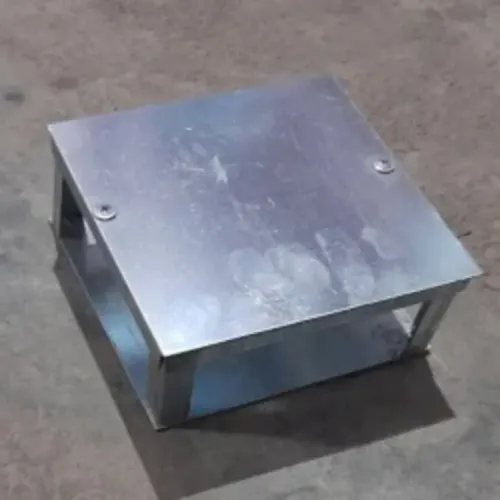
A genuine GI slotted C channel raceway cover is a matched cable-management system, not a structural mounting channel with a fabricated lid. The cover is a separate component: snap-on, clip-fixed, screw-fixed, hinged or captive, with a defined engagement at both channel edges. Nominal width alone cannot prove compatibility.
| System | Sidewalls and slots | Cover arrangement | Inspection access |
|---|---|---|---|
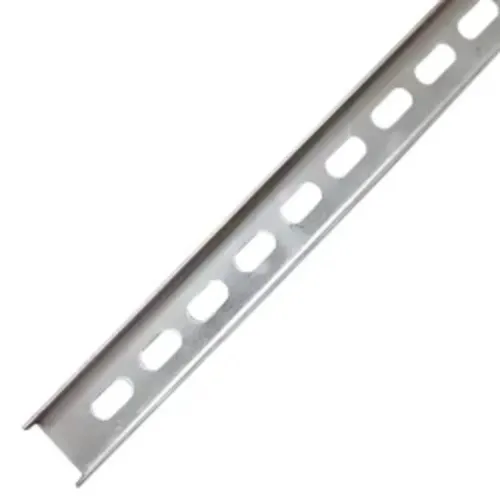
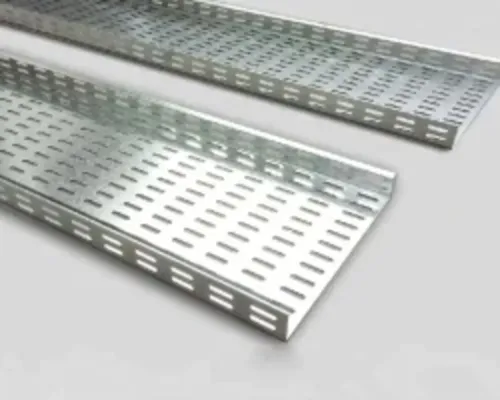
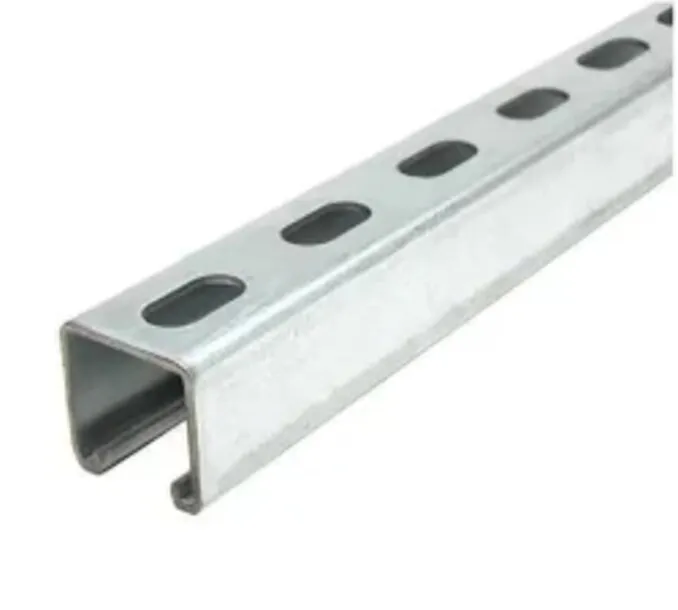
| Slotted C channel raceway | C-shaped sidewalls with regular slots | Matched removable or captive cover | Access through slots or by removing cover |
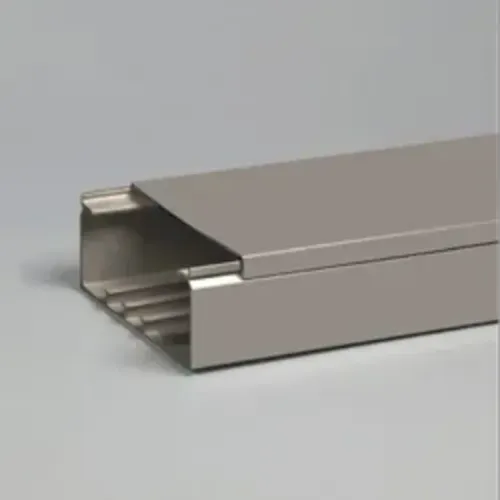
| Closed GI raceway | Continuous enclosed sidewalls | Integral or removable top cover | Open cover sections or removable lid |
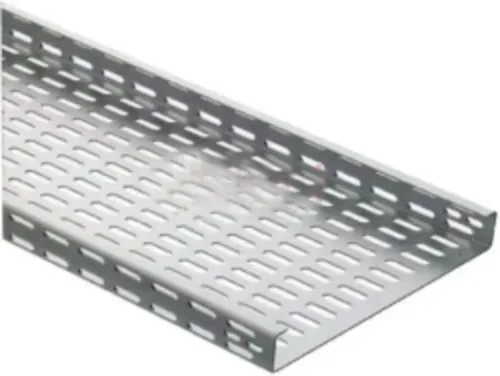
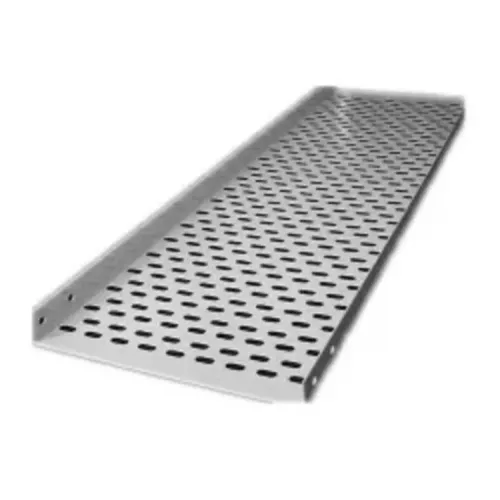
| Perforated cable tray | Two sidewalls and perforated base | Usually uncovered; optional cover | Visible from above |
| Ladder tray | Side rails with transverse rungs | Usually uncovered; optional cover | Full visual access between rungs |
For a gi slotted C channel raceway cover for distributors in Bengaluru, make the RFQ state:
- Channel profile, external and clear internal width and height
- Cover thickness and snap, clip, screw, hinge or captive engagement
- Joint overlap, end treatment, cover removability and tool access
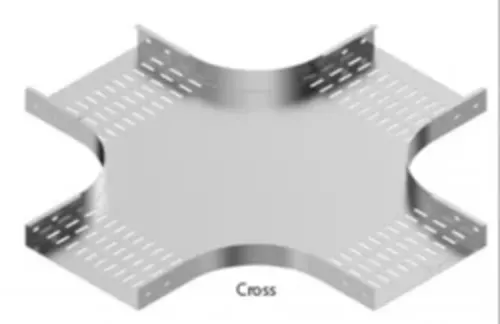
- Bends, tees, reducers, couplers and end-cap compatibility
- Whether the channel is structural, with a tested load table, or non-structural
Ask a gi slotted C channel cover supplier in Bengaluru which standard it claims. IEC 61084-1 covers cable trunking and ducting systems and fittings; IEC 61537 covers cable tray and ladder systems. Do not accept “raceway” without that category, because a cover does not increase span or cable-load capacity.
When does the cover justify its extra material and installation cost?
A cover earns its premium where cables face falling debris, accidental contact, incidental impact, jacket abrasion from nearby work, or unauthorized access. It is less compelling in a clean, controlled plant room where open inspection and rapid additions matter more than physical separation.
| Option | Cable protection | Corrosion exposure | Weight | Modification effort | Inspection access |
|---|---|---|---|---|---|
| Solid-cover GI raceway | Highest against contact, debris and impact; protects better from nearby work | Zinc coating can corrode at cuts and damaged joints | High | Slowest; remove cover and fittings | Lowest visibility |
| Perforated tray | Good ventilation; limited protection from objects and contact | Exposed steel faces the environment | Medium | Fast additions through open top | Easy |
| Ladder tray | Supports large cables with minimal enclosure | Exposed cables and steel | Low to medium | Fast | Excellent |
| PVC trunking | Good contact and debris protection; vulnerable to impact and heat | No steel corrosion; UV and chemical compatibility matter | Low | Easy cutting and additions | Cover removal required |
| Aluminum raceway | Good enclosure and impact protection | Better corrosion resistance than GI in some environments | Low to medium | Moderate | Reduced visibility |
Use this checklist before paying for gi slotted channel cable protection:
- Confirm complete-system documentation. A cover alone creates no IP rating, fire rating or electrical classification.
- Reject a design that relies on the cover to fix overloading, inadequate earthing or poor bonding.
- Check ampacity after enclosure fitting; reduced ventilation can accumulate heat.
- Specify joint overlaps, end caps and sealed transitions. Open ends, poor joints and missing caps still admit water.
- Price gi raceway cover distributor supply per usable metre, including couplers, bends, fasteners and labour, not by cover piece.
How do you size the covered channel without losing capacity or access?
Nominal width does not tell you whether the covered channel will fit the installation. Calculate the clear internal width and height after cover engagement, fasteners and any internal projections, then compare that space with the cable bundle—not the advertised external dimensions.
Keep power, control, communication and data circuits in separate groups. Add the planned spare capacity for future cables, and check the largest cable’s minimum bending radius at entries, corners, elbows, tees, reducers and terminations. A straight section that fits the bundle can still fail at its first bend.
Put these details in the quotation:
- Usable internal width and height after the cover is fitted
- Maximum recommended fill or cable quantity for each circuit group
- Cover clearance, retention method and access requirements for inspection or cable additions
- Minimum bending radius available at fittings and entries
- Support spacing, steel thickness, slot pattern, channel geometry and fastener arrangement
- Tested load table, or a clear statement that the product is non-structural
The cover does not increase cable load or allowable span. Direction of loading and the supporting channel control those limits. Have the supplier review ampacity for grouping, ambient temperature and the changed thermal environment created by a close-fitting GI cover; an open-channel rating may not remain valid.
When comparing a gi raceway with cover price in Bengaluru, compare delivered cost per usable metre only after these dimensions and performance limits are confirmed.
What should you inspect at slots, joints, bends and terminations?
Approve a sample only after it passes an interface inspection; nominal channel width is not enough for GI slotted channel cable protection. Check the supplied profile, cover engagement, joint overlap and end treatment against the drawing before accepting bulk quantity.
1. Run a cloth along every slot and cut edge. Reject burrs, sharp corners, unprotected ends and projecting screws that could scrape a cable jacket.
2. Fit and remove the cover as specified. Check full seating, joint alignment, overlap and retention; confirm whether the cover is captive, clip-fixed, screw-fixed or removable without tools.
3. Inspect bends, tees, reducers, end caps and entry points. Confirm that each provides the largest cable’s required bend space and protects jackets where cables enter conduit or trunking.
4. Inspect site-cut and drilled areas. Require deburring, treatment with zinc-rich repair coating, and bushings or grommets where metal could contact cables; untreated cuts expose steel and become early corrosion points.
5. Look through open ends and low points for water paths. Confirm drainage and check that the coating suits the location: indoor, rooftop, basement, coastal, chemical or washdown service. Ordinary GI is not automatically suitable for every environment.
6. Verify electrical continuity across assembled joints rather than assuming galvanizing provides it. Specify conductive joining hardware, bonding jumpers where required, and a continuity test after installation.
Record photographs, measurements and failed points on the sample report. Approve bulk supply only when the supplier’s fittings, repair method and transition details match the tested sample.
How should distributors compare landed cost, stock risk and replacement supply?
Stock a covered system only when its delivered cost per usable metre beats the cost of sourcing and installing a substitute, not when its piece price looks low. For a GI raceway with cover price in Bengaluru, calculate: total invoice, freight and taxes divided by usable metres after joints, bends and end clearances.
| Comparison | Delivered-cost basis | Labour and stock effect |
|---|---|---|
| Slotted channel, same nominal width | Clear internal width after cover engagement and fasteners | Lower entry price can mean more site cutting and exposed cables |
| GI channel with retained cover | Channel, cover and fittings per usable metre | Cover removal slows inspection; matching replacements reduce disruption |
| Closed raceway | Complete system per usable metre | Faster protection, but higher fitting cost and less flexible modification |
Request steel thickness, zinc finish, standard length, cover type, couplers, bends, tees, reducers, end caps, fasteners, packaging, freight, taxes and minimum order quantity. Two channels with the same nominal width can differ in clear height, cover fit, cutting time and fitting count.
For gi raceway cover distributor supply, check these before committing stock:
- Physical sample, dimensioned drawing and coating specification
- Batch consistency information and load data, or written non-structural classification
- Replacement covers and fittings, minimum order quantity and replenishment lead time
- Sample-fit confirmation for covers, couplers and bends
This is the right test for a gi slotted C channel raceway cover for distributors in Bengaluru and a gi slotted C channel cover supplier in Bengaluru. Assess Vickram Engineering against these documents, sample fit and replenishment terms—not the headline price.
Related product
 | Cable Raceway Systems The GI Raceway with Cover is a premium cable management solution designed to provide complete protection and organized routing of electrical,... View product → |
Frequently asked questions
Is a GI slotted C channel a raceway with a compatible cover?
Only when the cover is designed for that channel profile. Check its fixing method, edge engagement, internal clearance and fit across the full channel length.
When does a raceway cover justify its extra cost?
A cover earns its cost when cables need protection from impact, dust, accidental contact or poor visual conditions, and when the installation remains accessible for maintenance.
How do you size a covered slotted C channel?
Size for cable fill, bend radius, separation, cover clearance and pulling or maintenance access. Do not select the channel from nominal width alone.
What should distributors inspect before supplying covered channels?
Inspect slot edges, joints, bends, cover retention, terminations, galvanizing continuity and compatibility between straight sections and fittings.
How should distributors compare GI raceway cover supply?
Compare complete landed cost, minimum order quantities, stock depth, lead time, packaging damage risk and availability of matching covers, fittings and replacement lengths.
Keywords