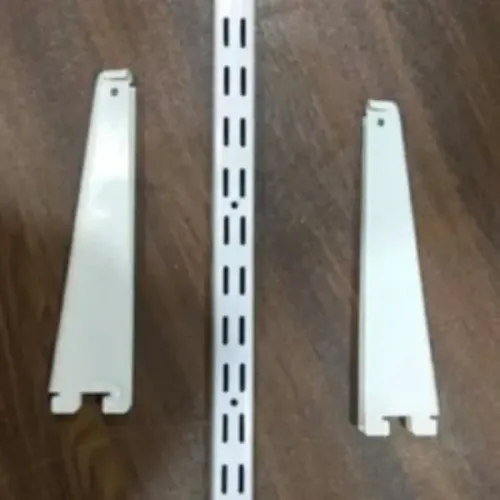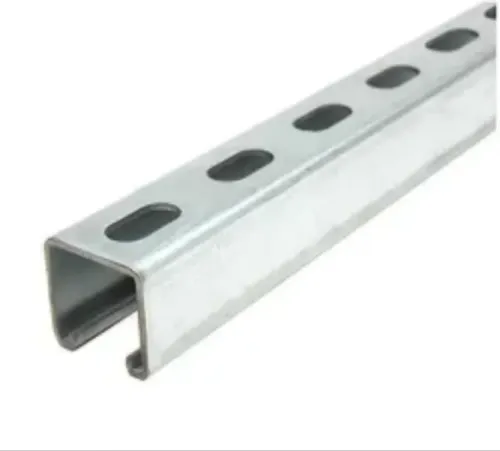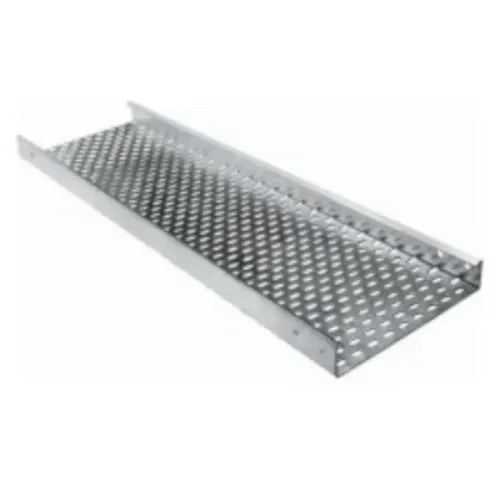


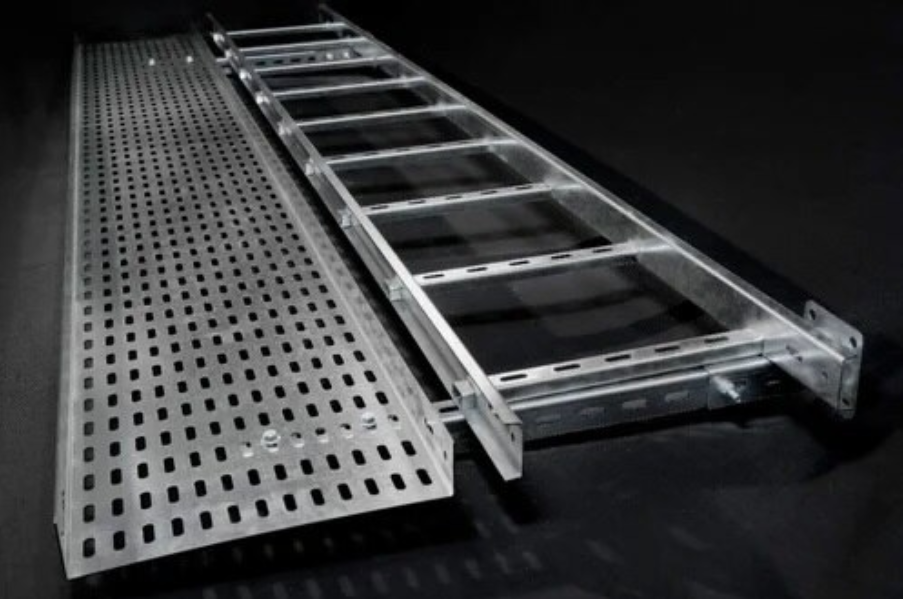
Cable tray projects depend on many components that are easy to underestimate during procurement. Straight tray sections may account for much of the visible installation, but bends, couplers, reducers, brackets, channels, fasteners, and other fittings determine whether the route can actually be completed as designed.
Selecting dependable Cable Trays Accessories Manufacturers therefore requires more than comparing individual component prices.
For EPC companies, contractors, industrial developers, and procurement teams, the supplier's ability to coordinate accessories with the main cable management system is particularly important.
Check Compatibility With the Main Tray
Accessories should match the dimensions and construction of the cable tray they are intended to support.
A bend with inconsistent width, a coupler with misaligned holes, or a bracket that does not coordinate with the support channel can create avoidable installation work.
Before placing an order, confirm:
- Tray type
- Width and depth
- Material
- Surface finish
- Fitting dimensions
- Connection arrangement
- Support configuration
Providing drawings can reduce ambiguity where project-specific components are involved.
Look for a Complete Product Understanding
A manufacturer supplying accessories should understand how those components function within an electrical cable route.
This becomes especially important for complex layouts containing repeated bends, elevation changes, branches, reducers, and multiple support arrangements.
Suppliers that understand the relationship between trays, fittings, channels, and brackets are better positioned to interpret a project requirement accurately.
Evaluate Fabrication Consistency
Project installations become easier when repeated accessories maintain consistent dimensions.
Procurement teams can assess manufacturing capability based on the required material, fabrication process, dimensional expectations, finish, quantity, and inspection requirements.
Consistency is particularly important when materials are delivered in batches because components produced at different stages still need to fit the same installation system.
Provide an Accurate Bill of Materials
Manufacturers can respond more effectively when procurement information is complete.
Instead of requesting only a general price for cable tray accessories, prepare details covering:
- Component description
- Dimensions
- Material specification
- Surface finish
- Quantity
- Drawings where required
- Project schedule
- Inspection requirements where applicable
A clear bill of materials also makes quotations easier to compare.
Consider Project Location and Logistics
For Bengaluru projects, coordination with a manufacturer that understands industrial and construction supply requirements can simplify discussions around quantities, fabrication, and delivery planning.
Projects elsewhere in Karnataka may involve different delivery schedules, site access conditions, and phased requirements.
Procurement teams should establish whether material is required in one shipment or according to construction phases. This can help prevent excessive site storage while keeping installation activities supplied.
Look for System-Level Coordination
Vickram Engineering operates in the cable tray and cable management manufacturing sector and supports requirements involving trays, fittings, raceways, channels, brackets, and related components.
For project buyers, the practical advantage of system-level coordination is straightforward. Accessories can be evaluated alongside the cable tray dimensions and route requirements instead of being treated as unrelated purchases.
When comparing Cable Trays Accessories Manufacturers, consider technical compatibility, fabrication consistency, material specifications, accessory range, drawing interpretation, quantity capability, and project coordination.
The lowest unit price for an individual fitting does not necessarily represent the most efficient project supply. Accessories that arrive correctly dimensioned, properly coordinated, and aligned with installation requirements can reduce modification work and help electrical contractors maintain progress across the complete cable tray route.