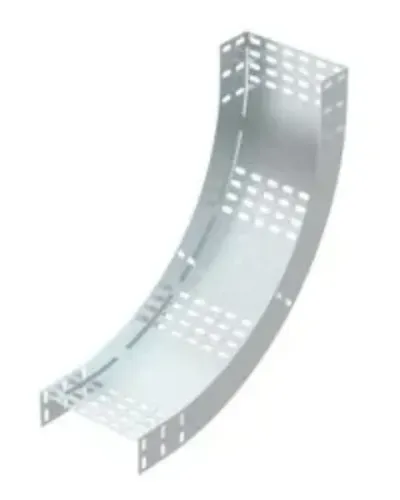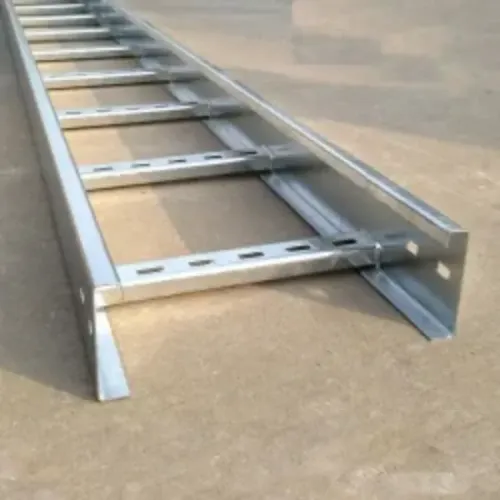


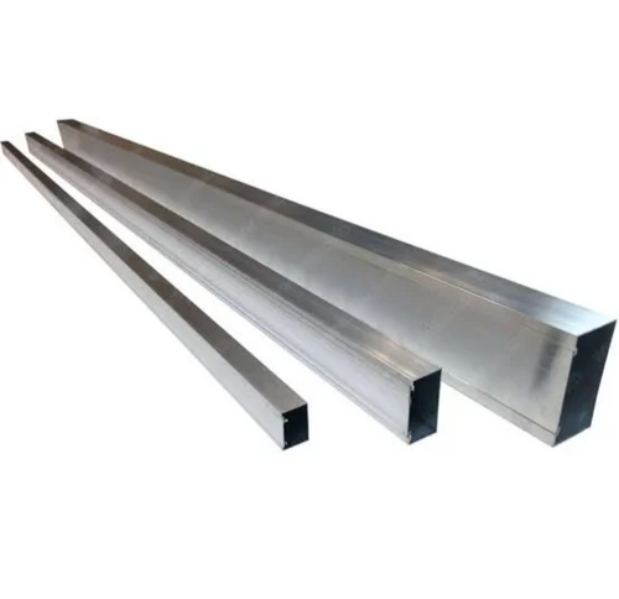
Electrical installations become increasingly difficult to manage as the number of power, control, communication, and data cables grows. In industrial facilities, commercial buildings, manufacturing plants, and infrastructure projects, simply routing cables from one point to another is not enough. The routing system needs to protect cables, maintain accessibility, and support future expansion.
This is where Cable Raceways become valuable. A cable raceway provides a defined pathway for electrical wiring, helping keep cables organized while reducing exposure to accidental contact, physical damage, dust, and other site conditions.
For electrical contractors and project teams in Bengaluru, cable management deserves attention during the design stage rather than after equipment installation begins.
Why Cable Raceway Planning Matters
Unorganized cable routing can create practical problems throughout the operating life of a facility. Cables may cross unnecessarily, identification becomes difficult, maintenance takes longer, and future additions can make an already congested installation harder to manage.
A properly planned raceway system can help:
- Separate different cable categories
- Maintain cleaner cable routing
- Reduce loose and exposed wiring
- Improve accessibility during maintenance
- Simplify cable identification
- Support planned extensions
- Improve the overall appearance of installations
Raceways are particularly useful where cables need to follow a controlled route through production areas, utility spaces, control rooms, commercial facilities, and technical environments.
Cable Capacity Should Be Planned Early
One common mistake is selecting a raceway only for the cables required at the time of installation. Industrial and commercial facilities frequently add equipment, sensors, network connections, automation systems, and electrical circuits later.
Allowing suitable spare capacity can make such expansion easier.
However, oversizing without considering available space, support requirements, and project economics is not always practical either. Raceway dimensions should reflect current cable quantities, expected expansion, cable type, and installation conditions.
Accessibility Makes Maintenance Easier
Electrical maintenance teams often need to inspect, trace, replace, or add cables. When routing is organized, these activities become more manageable.
Good raceway planning should consider whether technicians can reach the cable path without unnecessarily disturbing nearby systems. Covers, bends, junctions, transitions, and support arrangements should also suit the installation layout.
In facilities where downtime affects productivity, accessible cable management can contribute to more efficient maintenance practices.
Consider the Entire Cable Route
A raceway should not be selected as an isolated component. The complete route needs evaluation.
Project engineers should examine:
- Starting and termination points
- Changes in direction
- Vertical and horizontal sections
- Cable quantity and dimensions
- Separation requirements
- Supporting structure
- Accessibility
- Environmental exposure
- Future cable additions
This approach helps reduce site modifications during installation.
Bengaluru Projects Have Diverse Requirements
Bengaluru and other industrial areas across Karnataka include manufacturing facilities, technology campuses, commercial developments, warehouses, infrastructure projects, and data-oriented facilities. Cable management requirements can therefore differ considerably from one project to another.
A production plant may prioritize rugged routing and easy maintenance, while a commercial project may place greater emphasis on compact installation and neat appearance.
Vickram Engineering works within this broader cable management segment, where raceways and related systems need to align with actual electrical layouts rather than being treated as generic accessories.
The most effective Cable Raceways are ultimately those selected as part of the overall electrical design. Considering capacity, protection, accessibility, routing, and future expansion at the planning stage can create a cleaner installation and make long-term cable management significantly easier.