
Electrical systems naturally evolve as industrial facilities expand production capacity, install new machinery, or introduce automation. While cables are often upgraded during these changes, the supporting infrastructure may remain unchanged for years. A properly designed GI Ladder Type Cable Tray helps accommodate increasing cable loads while improving accessibility and maintenance.
Facilities across Bengaluru and Karnataka frequently review their cable management systems during plant expansion projects to ensure the supporting structure remains suitable for modern electrical requirements.
Why GI Ladder Type Cable Trays Are Used
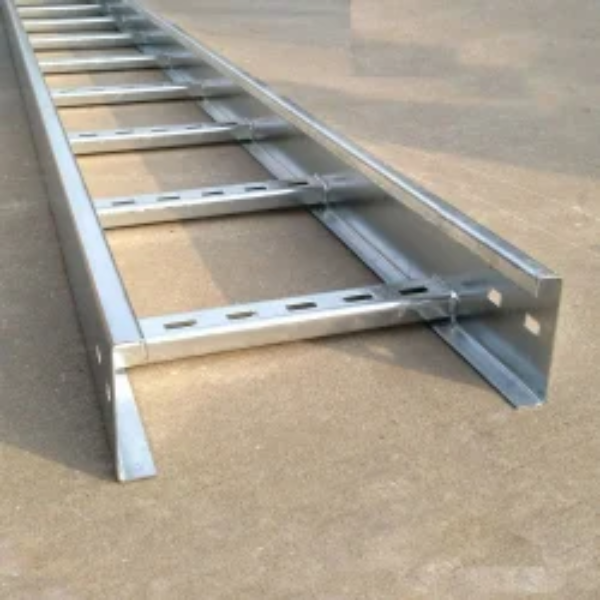
GI ladder type cable trays consist of two side rails connected by regularly spaced rungs. This open structure provides excellent strength while allowing heat generated by electrical cables to dissipate efficiently.
They are commonly selected for installations carrying heavy power cables across long distances.
Common Signs an Upgrade May Be Needed
Several indicators suggest that an existing cable management system may no longer meet operational requirements.
Overcrowded Cable Routes
When additional cables are repeatedly added without expanding tray capacity, maintenance becomes more difficult and airflow around cables may be reduced.
Frequent Equipment Expansion
Growing production facilities often require new power and control cables that exceed the capacity of older tray systems.
Damaged Support Structures
Bent trays, corroded sections, or damaged supports should be inspected and replaced where necessary.
Difficult Maintenance Access
If maintenance teams struggle to inspect or replace cables, upgrading the tray system may improve efficiency.
Industries That Benefit from Ladder Cable Trays
These systems are widely installed in:
- Beverage production plants
- Manufacturing industries
- Chemical processing facilities
- Warehouses
- Utility installations
- Power distribution projects
- Infrastructure developments
Their design supports large cable volumes while simplifying inspection and maintenance.
Planning an Upgrade
Before replacing an existing tray system, consider:
- Current cable load
- Future expansion plans
- Environmental conditions
- Support spacing
- Cable routing requirements
- Compatibility with existing infrastructure
Proper planning reduces future modifications.
Installation Recommendations
To maximise system performance:
- Use correctly sized trays.
- Install supports according to engineering guidelines.
- Avoid excessive cable stacking.
- Maintain smooth directional changes.
- Inspect the completed installation before commissioning.
These measures improve both safety and operational reliability.
Choosing Reliable Products
Industrial projects require cable tray systems capable of supporting continuous operation under demanding conditions. Product quality, structural strength, and manufacturing consistency all contribute to long-term performance.
Businesses across Karnataka often source cable management systems from manufacturers such as Vickram Engineering, which supplies GI ladder type cable trays suitable for a range of industrial applications.
A timely cable tray upgrade supports future expansion while helping maintain organised, safe, and efficient electrical infrastructure.