

Electrical systems in industrial facilities are becoming increasingly complex as automation, digital monitoring, and high-speed production lines continue to expand. While cables carry power and communication throughout a plant, protecting those cables is just as important as selecting the right electrical equipment. This is where a GI Raceway with Cover becomes a valuable part of a well-designed cable management system.
Unlike open cable support systems, a GI raceway with cover encloses cables within a galvanized iron channel, providing additional protection against dust, accidental impact, and workplace movement. Manufacturing units, beverage processing plants, warehouses, and commercial facilities across Bengaluru and Karnataka commonly use this solution where cable safety and organised routing are priorities.
Understanding the Purpose of a GI Raceway with Cover
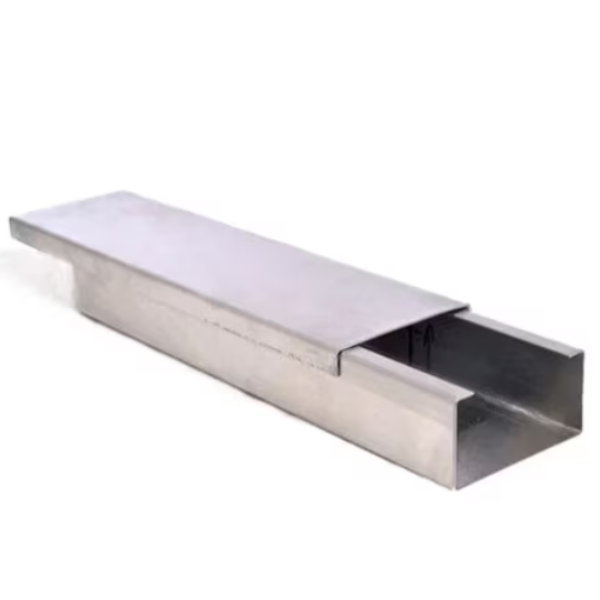
A GI raceway with cover is designed to carry electrical, communication, and control cables inside a protective enclosure. The removable cover allows maintenance teams to inspect or modify wiring whenever required without replacing the entire system.
Its enclosed design offers a cleaner appearance while helping reduce exposure to environmental conditions that may affect cable performance.
Benefits of Using a Covered Raceway
A covered raceway provides several practical advantages for industrial environments.
Better Cable Protection
The cover shields cables from dust, debris, accidental contact, and light mechanical damage, making it suitable for busy production areas.
Improved Workplace Appearance
Neatly enclosed cables contribute to an organised workspace, particularly in facilities where electrical systems remain visible.
Easier Cable Identification
Since cables remain grouped inside designated raceways, maintenance personnel can identify and trace circuits more efficiently during inspections.
Simplified Future Expansion
The removable cover allows additional cables to be installed without dismantling large portions of the cable management system.
Common Industrial Applications
GI raceways with covers are widely used in:
- Beverage bottling plants
- Food processing units
- Pharmaceutical manufacturing
- Commercial buildings
- Warehouses
- Control rooms
- Packaging facilities
- Engineering workshops
These environments often require cables to remain protected while still being accessible for maintenance.
Factors to Consider Before Installation
Every facility has unique operational requirements. Before selecting a raceway system, consider the following:
- Total number of cables
- Cable diameter
- Future expansion plans
- Installation environment
- Accessibility requirements
- Mounting location
- Load capacity
Selecting the correct size helps prevent overcrowding and allows room for future upgrades.
Installation Practices That Improve Performance
A properly installed raceway system contributes to long-term reliability.
Recommended practices include:
- Plan cable routes before installation begins.
- Maintain proper support intervals.
- Separate power and communication cables wherever possible.
- Avoid excessive cable filling.
- Secure covers correctly after maintenance.
- Inspect raceways periodically for damage or loose fittings.
Following these practices reduces maintenance time and supports safer electrical infrastructure.
Why Manufacturing Quality Matters
The effectiveness of a cable raceway depends not only on design but also on manufacturing precision. Uniform dimensions, durable galvanization, and accurate fabrication help ensure easy installation and dependable performance throughout the product's service life.
Industrial buyers in Bengaluru often evaluate manufacturers based on product consistency, engineering capability, and the availability of compatible accessories. Companies such as Vickram Engineering manufacture GI raceway systems suitable for diverse industrial applications, helping facilities build organised and reliable electrical networks.
As industries continue to modernise across Karnataka, GI raceways with covers remain a practical solution for protecting electrical infrastructure while supporting efficient maintenance and future expansion.