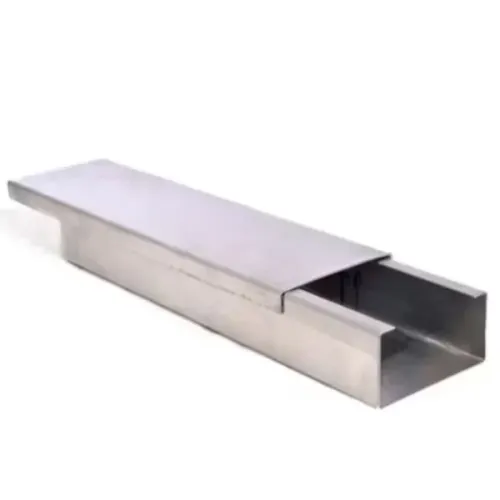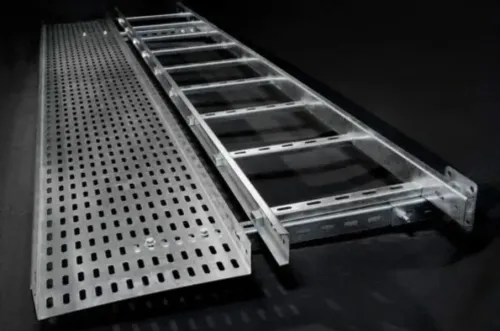


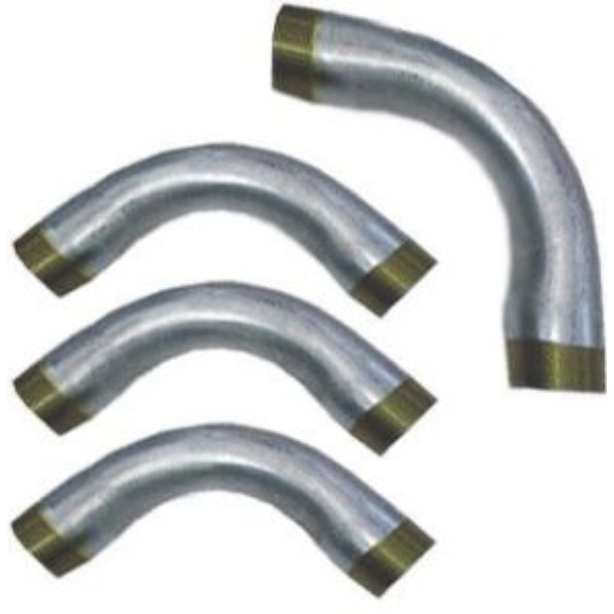
Cable trays rarely follow a straight path from one end of an industrial facility to another. Machinery layouts, structural columns, walls, and equipment positioning often require electrical cables to change direction safely. A GI Bend makes these directional changes possible while maintaining proper cable support and reducing unnecessary stress on the wiring.
Although it may appear to be a small component, the right GI bend contributes significantly to the overall efficiency and durability of a cable tray system. Manufacturing plants, beverage processing units, commercial buildings, and engineering facilities across Bengaluru and Karnataka rely on properly designed bends to create organised electrical installations.
What Is a GI Bend?
A GI bend is a galvanized iron accessory used to change the direction of cable trays without forcing cables into sharp angles. By maintaining smooth transitions, the bend helps preserve cable insulation and reduces mechanical strain during installation and operation.
Depending on the layout, different bend configurations may be required.
Common options include:
- Horizontal bends
- Vertical inside bends
- Vertical outside bends
- Tee junctions
- Cross junctions
Each type is designed to support a specific routing requirement.
Why Proper Bend Selection Is Important
Poorly planned cable routing can create unnecessary pressure on cables, making future maintenance more difficult.
Selecting the correct GI bend offers several advantages:
- Maintains recommended cable bending radius
- Reduces cable stress
- Supports organised routing
- Simplifies installation
- Improves long-term maintenance access
These benefits become increasingly important in facilities with extensive electrical infrastructure.
Factors That Influence Selection
Before choosing a GI bend, engineers generally consider several technical factors.
Tray Dimensions
The bend should match the width and depth of the connected cable tray to maintain proper alignment.
Cable Volume
The number and size of cables determine how much space is required inside the bend.
Installation Environment
Indoor and outdoor installations may require different corrosion protection levels depending on environmental conditions.
Future Expansion
Facilities planning future production upgrades often allow additional capacity within their cable management systems.
Applications Across Industries
GI bends are commonly installed in:
- Beverage manufacturing plants
- Packaging industries
- Automobile production
- Warehouses
- Pharmaceutical facilities
- Commercial complexes
- Data centres
- Utility installations
Wherever cable trays change direction, suitable bends help maintain a safe and organised installation.
Good Installation Practices
The performance of a GI bend depends on correct installation.
For better results:
- Ensure accurate alignment between tray sections.
- Use compatible fasteners and connectors.
- Avoid forcing oversized cables through narrow bends.
- Maintain proper support spacing.
- Inspect joints during routine maintenance.
- Follow applicable electrical installation standards.
These practices contribute to long-term reliability while reducing maintenance issues.
Common Mistakes to Avoid
Several avoidable mistakes can reduce the effectiveness of cable tray systems.
These include:
- Selecting undersized bends
- Mixing incompatible accessories
- Ignoring cable bending radius
- Overloading tray sections
- Poor joint alignment
Planning the cable route before installation helps minimise these challenges.
Selecting Reliable Industrial Components
Cable tray accessories should deliver the same level of quality as the trays themselves. Consistent manufacturing ensures proper fitment, structural stability, and smoother installation.
Industrial businesses across Bengaluru frequently source cable management products from manufacturers such as Vickram Engineering, which produces GI bends and related accessories for a wide range of industrial applications.
Choosing the right GI bend supports efficient cable routing, simplifies maintenance, and helps create an organised electrical infrastructure capable of meeting the growing demands of modern industrial facilities.