

Material selection plays an important role in cable tray performance. Electrical contractors and project engineers often evaluate tray dimensions and load requirements first, but the material itself influences weight, handling, corrosion behavior, installation effort, and long-term suitability.
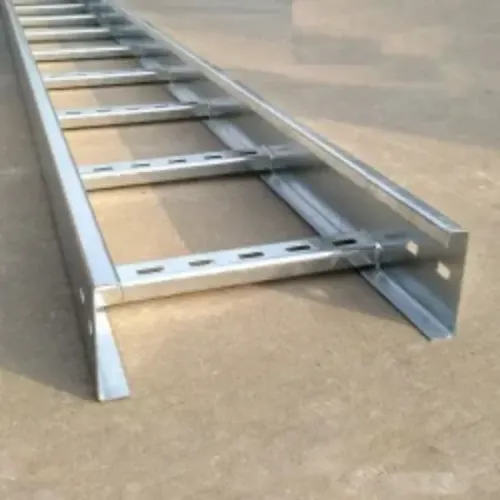
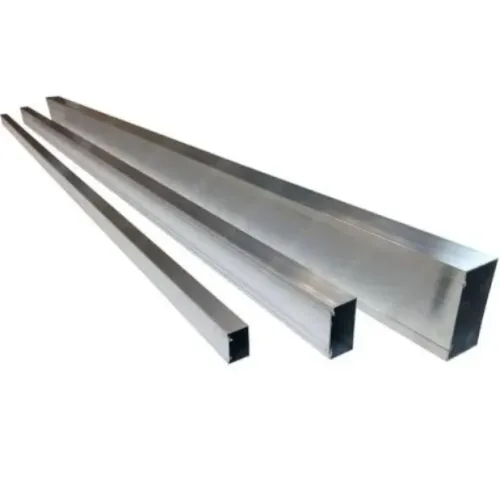
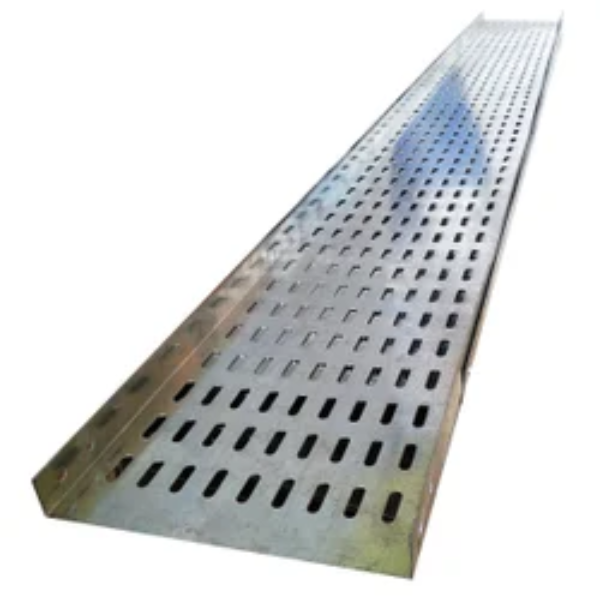
For projects where lower structural weight and corrosion resistance are important considerations, Aluminum Cable Trays can provide a practical cable-routing option.
Understanding where these trays fit best helps engineering and procurement teams make better specification decisions.
Why Aluminum Is Considered for Cable Management
Aluminum offers a useful combination of relatively low weight and corrosion resistance. These characteristics can be advantageous in projects involving extensive cable routes.
Lower tray weight may simplify handling during installation, particularly where cable trays need to be carried, positioned, and supported at elevated locations.
Aluminum also naturally develops an oxide layer that provides resistance against many forms of environmental corrosion. The actual suitability still depends on the specific atmosphere and operating conditions.
Weight Can Affect Installation Planning
Large industrial and commercial projects can involve substantial quantities of cable tray.
The combined weight of tray sections, cables, fittings, and accessories needs to be considered when planning the supporting structure. A lighter tray material can reduce the dead load contributed by the tray itself.
This does not mean support calculations can be ignored. Engineers still need to consider:
- Cable load
- Tray dimensions
- Support spacing
- Concentrated loads
- Fittings and bends
- Installation orientation
- Site conditions
Tray selection should always be coordinated with the support arrangement.
Corrosion Conditions Need Evaluation
Material selection should reflect the environment where the cable tray will operate.
Indoor commercial spaces, industrial facilities, utility areas, semi-exposed locations, and corrosive environments can impose different demands. Engineers should assess moisture, chemicals, temperature, airborne contaminants, and other environmental factors before specifying a material.
Aluminum may be attractive for certain environments, but project-specific compatibility remains essential.
Think Beyond the Straight Tray Sections
A cable route rarely consists entirely of straight runs. Changes in direction, level, and cable distribution require fittings and accessories.
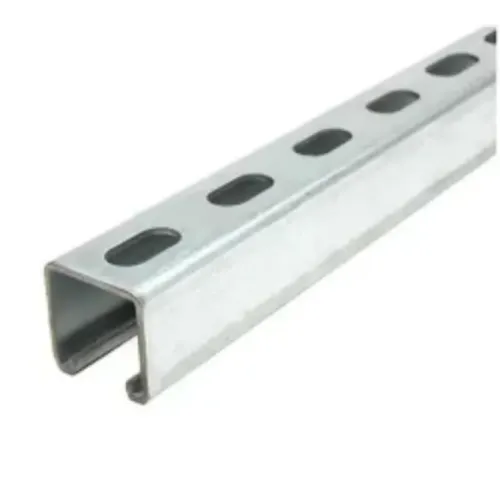
When evaluating Aluminum Cable Trays, consider whether the complete system can accommodate the intended layout. Bends, tees, reducers, couplers, supports, and associated hardware should be planned alongside the tray.
Ignoring fittings during procurement can lead to site fabrication, installation delays, and inconsistencies.
Suitable Applications Depend on Project Conditions
Aluminum tray systems may be considered across several environments, including:
- Commercial developments
- Technology facilities
- Manufacturing plants
- Utility installations
- Infrastructure projects
- Electrical rooms
- Industrial process areas
Bengaluru's expanding commercial and industrial ecosystem creates varied cable-routing requirements, while projects elsewhere in Karnataka may face different environmental and structural conditions.
The correct solution therefore depends on engineering requirements rather than material preference alone.
Make Selection Based on the Complete Installation
Vickram Engineering serves the cable management requirements of electrical and project customers where material, tray configuration, fittings, and structural support all contribute to the final installation.
Before specifying an aluminum system, project teams should establish cable load, route length, environmental exposure, support conditions, and expansion requirements.
Aluminum Cable Trays can be an efficient solution when their material characteristics match the installation environment. Evaluating the entire cable route instead of focusing only on tray dimensions leads to better specification decisions and fewer adjustments once installation begins.