

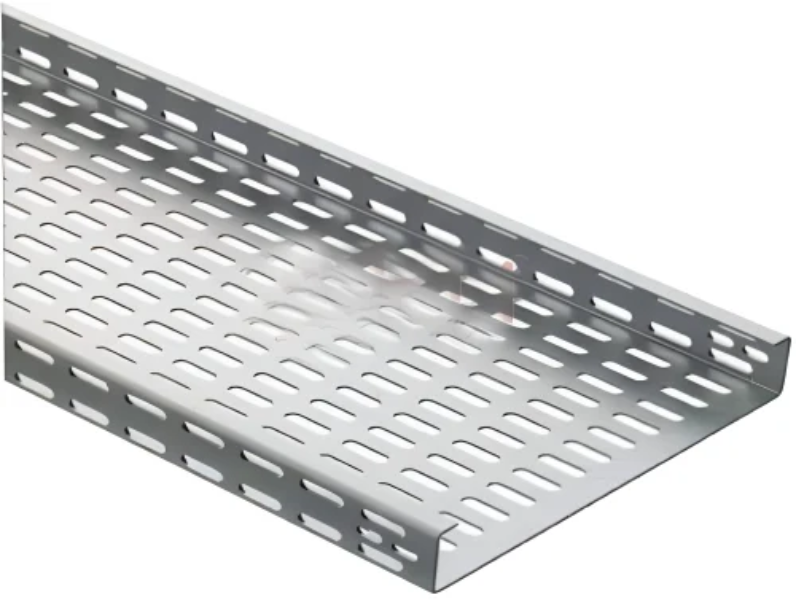
Industrial facilities rely on efficient cable management to keep electrical systems organised, safe, and easy to maintain. As factories continue to adopt automation and advanced machinery, the demand for lightweight yet durable cable support systems has increased. An Aluminum Cable Tray has become a preferred solution for many industries because it combines strength, corrosion resistance, and ease of installation.
Manufacturing units, beverage processing plants, commercial buildings, and engineering facilities across Bengaluru and Karnataka are increasingly choosing aluminum cable trays for applications where long-term performance and reduced maintenance are important considerations.
Understanding an Aluminum Cable Tray
An aluminum cable tray is an open cable support system designed to carry power, communication, and control cables throughout a facility. Unlike enclosed conduits, it allows cables to remain accessible for inspection, maintenance, and future expansion.
The lightweight nature of aluminum also makes transportation and installation easier compared to heavier materials.
Why Many Industries Choose Aluminum
Several practical benefits make aluminum cable trays suitable for industrial environments.
Lightweight Construction
Aluminum is significantly lighter than steel, making handling, transportation, and installation more convenient, particularly for elevated installations.
Corrosion Resistance
The natural oxide layer that forms on aluminum helps protect it from corrosion, making it suitable for many indoor and semi-exposed industrial environments.
Lower Maintenance
Because aluminum resists corrosion naturally, maintenance requirements are often reduced over the product's lifespan.
Easy Expansion
As production lines evolve, additional cables can be installed with minimal disruption to existing infrastructure.
Applications Across Different Industries
Aluminum cable trays are widely used in:
- Beverage bottling plants
- Food processing industries
- Pharmaceutical manufacturing
- Electronics assembly units
- Commercial complexes
- Data centres
- Warehouses
- Industrial automation facilities
These industries benefit from cable management systems that remain accessible while supporting future expansion.
How to Select the Right Aluminum Cable Tray
Choosing the correct tray depends on several technical considerations.
Before making a selection, evaluate:
- Cable quantity
- Cable weight
- Installation environment
- Span length
- Future cable additions
- Load-bearing requirements
Selecting the appropriate dimensions ensures adequate cable support while preventing overcrowding.
Best Practices for Installation
Proper installation contributes to long-term system reliability.
Recommended practices include:
- Install supports at recommended intervals.
- Avoid overloading the tray.
- Separate power and communication cables where required.
- Use compatible accessories for joints and bends.
- Allow sufficient space for future cable additions.
- Conduct routine inspections.
Following these practices improves operational safety and simplifies maintenance.
Signs That It Is Time to Upgrade
Facilities operating with overcrowded conduits, poorly organised cable routes, or aging support systems may benefit from replacing existing infrastructure with modern cable trays.
Upgrading can improve accessibility, reduce maintenance time, and support future automation projects.
Industrial manufacturers such as Vickram Engineering produce aluminum cable tray systems designed for a variety of industrial applications. Their products help businesses build organised electrical infrastructure capable of supporting evolving operational requirements.
Selecting a suitable aluminum cable tray is not simply about supporting cables—it is about creating a reliable electrical network that can adapt to future industrial growth.