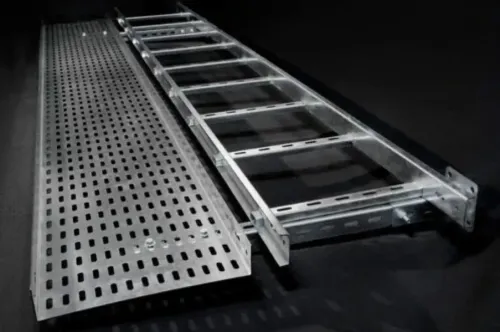


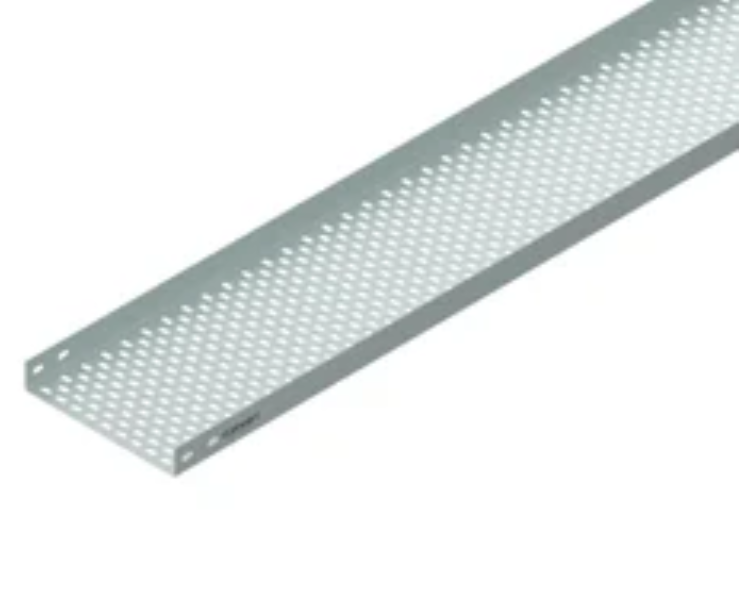
Selecting a cable tray manufacturer is an important procurement decision when a project involves large quantities, repeated dimensions, custom fittings, specific finishes, and coordinated delivery schedules.
Electrical contractors and EPC companies comparing Perforated Cable Trays Manufacturers should therefore evaluate manufacturing suitability against the complete project requirement rather than focusing only on the quoted rate per tray section.
A structured evaluation can help identify whether a supplier is ready to support the actual installation.
Start With Technical Specifications
Before approaching manufacturers, procurement teams should prepare a clear specification.
Useful information includes:
- Tray width
- Tray depth
- Material thickness
- Required length
- Base material
- Surface finish
- Perforation requirements
- Quantities
- Fittings
- Support components
- Relevant project drawings
The more complete the enquiry, the easier it becomes to compare quotations on a like-for-like basis.
Assess Whether the Manufacturer Understands Application Requirements
Perforated trays may carry control, instrumentation, communication, and electrical cables across industrial and commercial facilities.
Manufacturers do not need to design the entire electrical system, but they should be able to understand the fabrication requirement and how tray dimensions relate to fittings and supporting components.
Clear technical communication becomes especially important when the project contains non-standard sizes or layout-specific components.
Examine Dimensional Consistency
Repeated tray sections need to connect smoothly during installation.
Inconsistent dimensions can affect alignment and create additional site work. The same consideration applies to bends, tees, reducers, couplers, and supports.
Project teams should define tolerances and inspection expectations where these are important to the specification.
Consider Material Finish Carefully
The required surface finish should correspond with the installation environment and project standards.
A tray used inside a controlled electrical room can face different exposure from one installed in an industrial production area. Procurement documentation should state the required material and finish clearly rather than leaving assumptions to the supplier.
Evaluate Capacity Against the Project Schedule
Manufacturing capability also involves timing.
Large projects may require substantial quantities across several phases. Procurement teams should discuss expected volumes and delivery schedules before finalizing supply.
Questions worth addressing include:
- What quantities are required?
- Are deliveries phased?
- Are custom fittings involved?
- When are approved drawings available?
- What inspection process applies?
- How will changes in quantities be handled?
These discussions help connect procurement with the actual construction programme.
Include Accessories in the Evaluation
Selecting the tray manufacturer without checking accessory capability can fragment procurement.
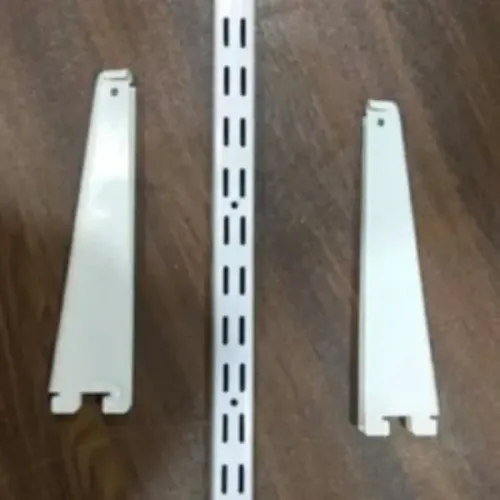
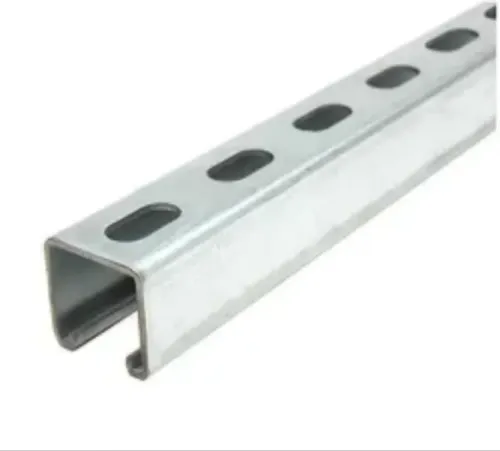
A complete route may require bends, tees, reducers, couplers, channels, brackets, and other support components. Compatibility between these items can simplify installation.
Vickram Engineering is a Bengaluru-based manufacturer operating within the cable tray and cable management segment. For electrical contractors, infrastructure companies, industrial facilities, commercial developments, and procurement teams in Bengaluru and across Karnataka, discussing the complete requirement can help establish whether tray dimensions, fittings, support systems, and manufacturing schedules are aligned.
The right choice among Perforated Cable Trays Manufacturers should ultimately be based on more than product availability.
Technical understanding, material specifications, dimensional consistency, fabrication capability, accessory coordination, project quantities, and delivery readiness all matter. When these factors are evaluated before issuing the purchase order, procurement teams can make a more informed decision and reduce the likelihood of compatibility problems appearing during installation.