

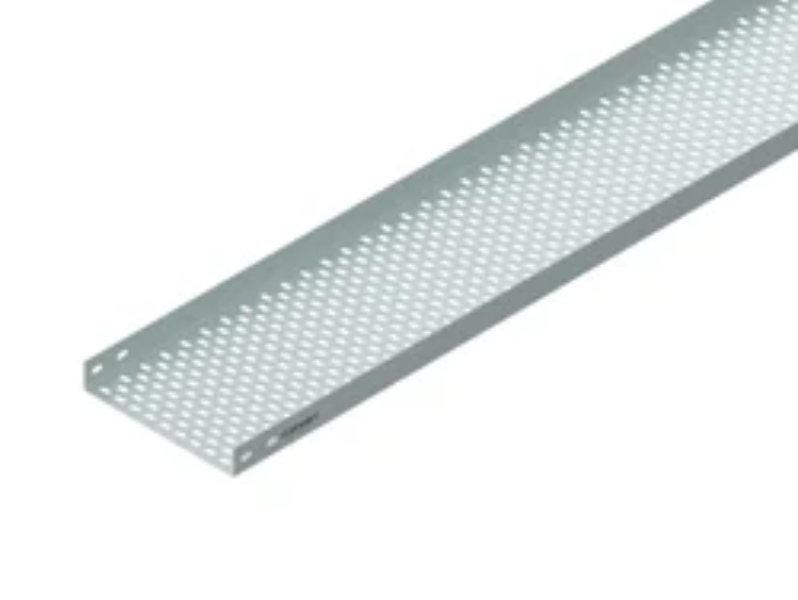
Cable tray selection becomes more complicated when a project contains numerous smaller power, control, instrumentation, and communication cables. The routing system needs to provide continuous support while allowing cables to be arranged, inspected, and maintained efficiently.
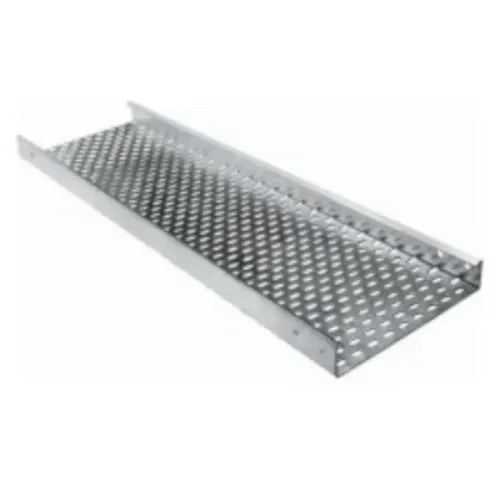
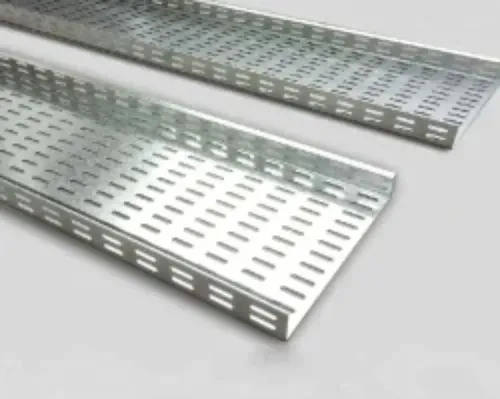
MS Perforated Cable Trays are frequently evaluated for these applications because their construction combines a supporting base with openings along the tray surface.
For electrical contractors and EPC teams, understanding the strengths and limitations of this tray format helps determine whether it matches a particular project.
What Makes a Perforated Tray Different
Unlike an open ladder arrangement, a perforated tray provides a more continuous supporting surface beneath the cables.
The perforations reduce the amount of solid material while providing openings across the tray. Depending on the application and design, this configuration can support organized routing for multiple smaller cables.
Typical applications may involve:
- Control wiring
- Instrumentation cables
- Smaller power cables
- Communication circuits
- Building electrical services
- Industrial automation cabling
Actual suitability should always be confirmed against the project specification.
Compare Cable Type Before Tray Type
Choosing a tray based only on what was used on a previous project can be misleading.
A manufacturing plant with extensive control wiring may require a different cable management strategy from a facility carrying large power feeders. Cable diameter, quantity, weight, separation requirements, heat considerations, and accessibility should influence the decision.
This is why perforated and ladder trays often serve different roles within the same project rather than competing as interchangeable products.
Mild Steel Brings Structural Practicality
Mild steel is widely used in fabricated cable management components because it can be formed into different sizes and configurations while providing useful mechanical properties.
Surface treatment should then be selected according to environmental requirements.
Indoor areas with controlled conditions can differ from exposed industrial zones. Procurement teams should therefore verify both the base material and required finish rather than treating them as one specification.
Check the Loading and Support Arrangement
A tray needs adequate structural support after cables are installed.
The design should consider the combined effect of tray weight and cable load. Support spacing also matters, especially around bends, junctions, vertical transitions, and areas carrying concentrated cable quantities.
Choosing the tray first and deciding supports later can create unnecessary design changes.
Evaluate Space for Future Cables
Industrial facilities rarely remain electrically unchanged.
New machines, sensors, automation systems, control panels, and production lines can introduce additional cables. A tray filled to practical capacity during initial commissioning may offer little flexibility later.
Reasonable spare capacity can therefore support future modifications, provided tray dimensions and structural loading remain within design requirements.
Consider Local Project Conditions
Bengaluru supports electronics, manufacturing, engineering, commercial construction, technology infrastructure, and numerous industrial operations. Similar projects across Karnataka can have significantly different layouts and operating conditions.
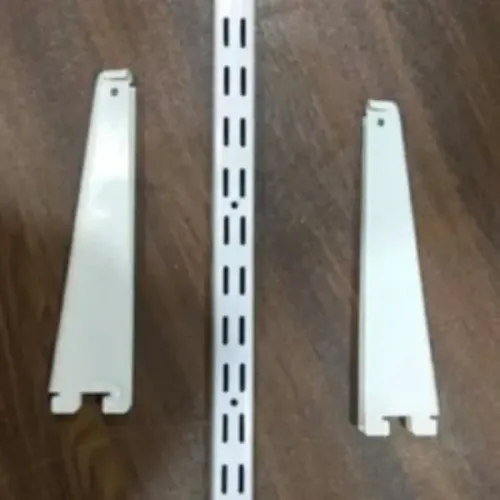
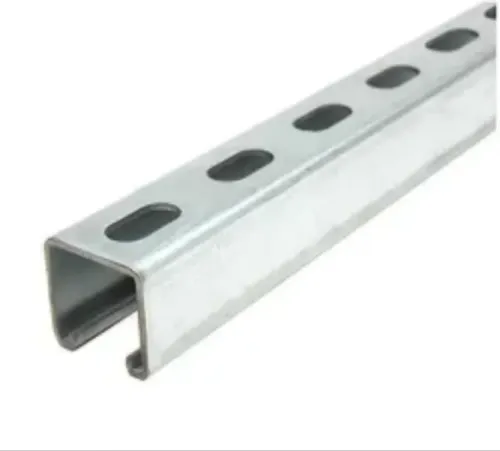
Vickram Engineering manufactures cable management products for such project environments, where tray selection may need to coordinate with bends, supports, channels, brackets, and other installation components.
Procurement teams can improve specification accuracy by sharing cable load information, required dimensions, material finish, quantity, installation environment, and drawings where available.
MS Perforated Cable Trays can be a practical choice where continuous cable support and organized routing are important. Their effectiveness depends on selecting them for the correct cable type, loading condition, environment, and support arrangement.
The right question is therefore not simply whether perforated trays are suitable. It is whether their construction matches the electrical and mechanical requirements of the particular cable route being designed.