
Cable tray systems remain in service long after an industrial project has been commissioned. During that time, they may encounter moisture, dust, temperature changes, maintenance activity, and other environmental conditions. Material protection therefore becomes an important part of cable management planning.
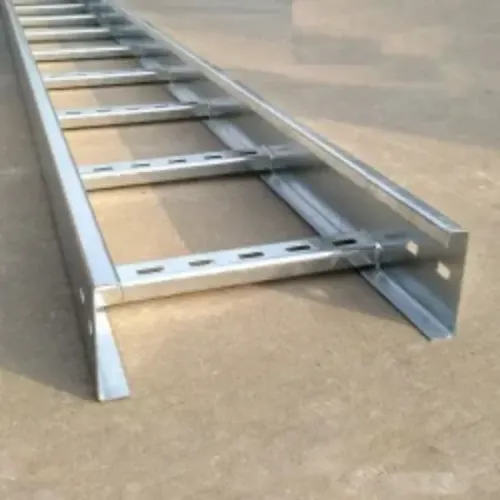
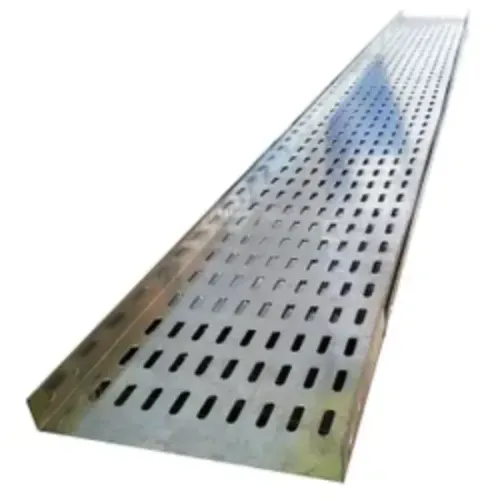
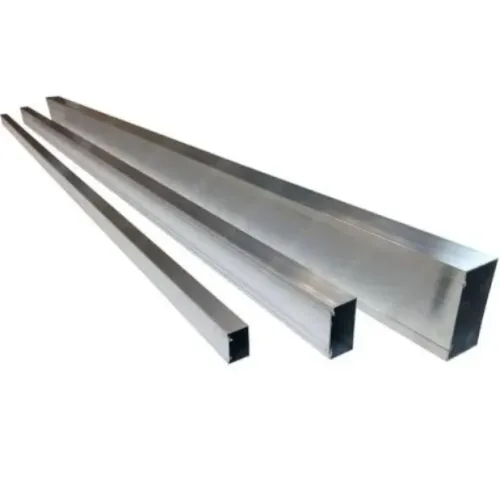
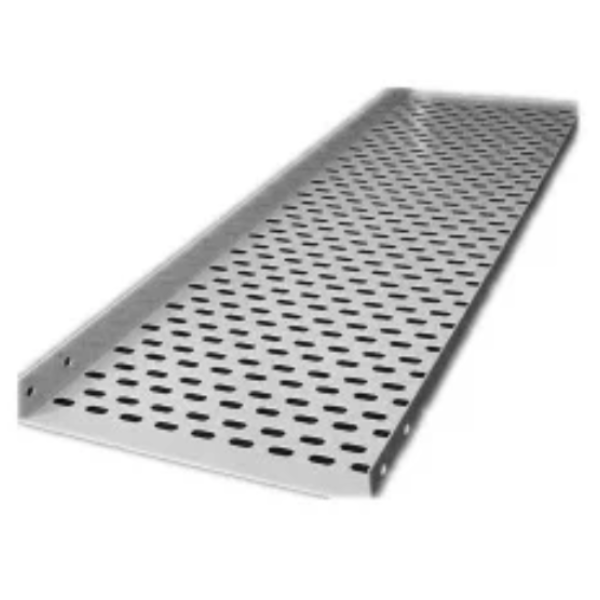
Galvanized Cable Trays are widely used where project teams require steel tray construction with a protective zinc layer.
Their suitability depends on understanding what galvanization contributes and how environmental conditions influence long-term performance.
What Galvanization Does
Steel provides useful structural properties for cable management systems, but unprotected steel can corrode when exposed to suitable combinations of moisture and oxygen.
Galvanization applies a zinc-based protective layer to the steel surface. This coating creates a barrier between the underlying steel and the surrounding environment.
The effectiveness and service life of the protection depend on factors such as coating characteristics, exposure, handling, installation conditions, and the surrounding atmosphere.
Environment Matters as Much as Material
Procurement teams sometimes treat the term galvanized as sufficient information for selection. In practice, engineers should examine the actual installation environment.
Questions worth considering include:
- Will the tray be indoors or exposed?
- Is moisture regularly present?
- Are corrosive chemicals used nearby?
- Is the atmosphere dusty or contaminated?
- Will tray sections be modified at site?
- What maintenance access is available?
These factors can influence material and coating decisions.
Mechanical Design Still Comes First
Corrosion protection cannot compensate for an incorrectly designed cable tray route.
Tray width, depth, loading capacity, support spacing, fittings, and mounting method need to suit the cables being carried. Excessive loading can create mechanical problems regardless of the quality of the protective coating.
Project teams should calculate present cable requirements while allowing reasonable provision for future additions.
Installation Quality Influences Performance
Even a correctly specified tray can perform poorly when installation practices are inconsistent.
Rough handling can damage surfaces. Incorrect support spacing can lead to deflection. Poorly planned bends can complicate cable pulling. Unnecessary cutting and modification can also affect installation quality.
For this reason, tray selection and installation planning should be coordinated rather than handled as completely separate activities.
Where Galvanized Systems Are Used
Bengaluru has a broad range of industrial, technology, infrastructure, commercial, and manufacturing projects. Across Karnataka, galvanized tray systems can also be relevant to warehouses, process facilities, utilities, production plants, and institutional developments.
The requirements can vary significantly between projects.
A climate-controlled technical facility may have very different exposure conditions from a partially open industrial structure. Engineering specifications should reflect these differences.
Plan Fittings Alongside the Tray
Vickram Engineering operates in the cable tray and cable management manufacturing segment, where projects frequently require more than straight tray lengths.
Bends, couplers, support channels, brackets, and related accessories should be considered during quantity planning. Coordinating these items helps maintain consistent routing and can reduce unplanned fabrication work at site.
Galvanized Cable Trays are most effective when their coating, dimensions, load capacity, accessories, and supporting arrangement are selected as one system.
For project engineers, electrical contractors, and procurement teams, the key is to match the tray to both the cable requirements and the operating environment. That approach creates a cable route designed not only for installation day, but for years of inspection, maintenance, modification, and continued electrical operation.