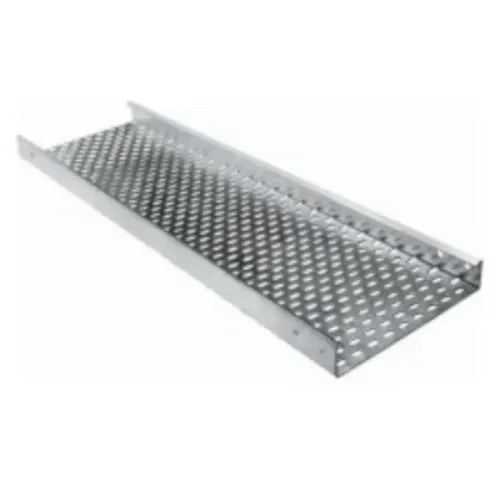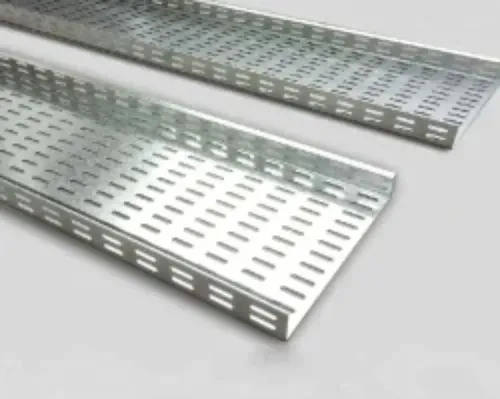

Cable trays cannot perform effectively without a suitable support system. Even when the tray itself is correctly specified, inadequate mounting can affect alignment, load distribution, accessibility, and overall installation quality.
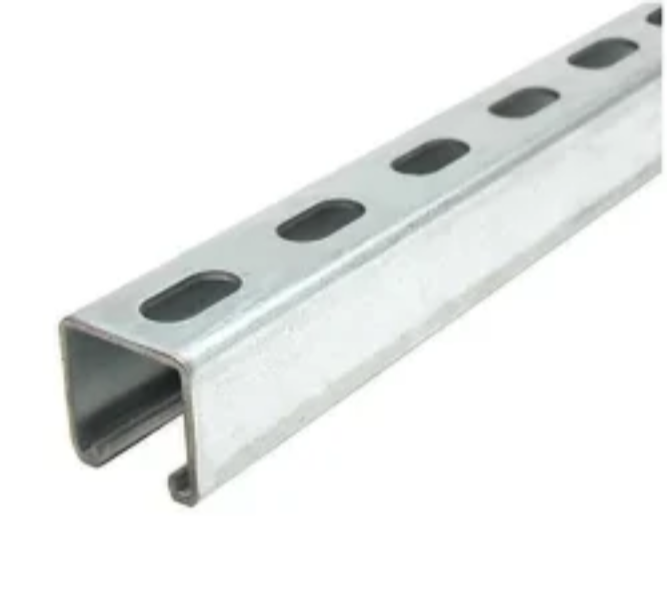
A Slotted Channel provides a versatile structural element for supporting cable trays and related electrical services.
For contractors and EPC teams evaluating support systems, channel selection should be based on actual installation requirements rather than treated as a standard accessory purchase.
Understand the Role of Support Channels
Slotted channels can form part of wall-mounted, suspended, framed, and other support arrangements.
Their slots allow brackets, fasteners, and associated components to be positioned according to the required configuration. This flexibility can be useful when electrical services need to accommodate different tray widths, installation levels, and structural conditions.
Support channels may also help standardize mounting arrangements across repeated sections of a project.
Load Is the Starting Point
Before selecting channel dimensions, determine what the supporting system needs to carry.
The total load may include:
- Cable tray weight
- Installed cable weight
- Fittings
- Accessories
- Additional supported components where permitted
- Appropriate design considerations specified by the project
Support spacing and mounting configuration also influence performance.
A channel should therefore not be selected independently of the cable tray loading calculation.
Site Structure Changes the Support Design
Cable trays can be mounted against walls, below ceilings, on structural frames, along industrial equipment areas, and within utility corridors.
Each arrangement creates different support requirements.
The available fixing surface, installation height, tray orientation, maintenance access, and structural constraints should all be considered.
In Bengaluru's manufacturing plants and commercial developments, space above ceilings and within service areas can be particularly congested. A compact, coordinated support arrangement can help electrical services fit alongside mechanical systems.
Standardization Has Practical Advantages
Using consistent channel and bracket configurations across repeated installation areas can make project execution easier.
Standardization may simplify:
- Material estimation
- Site assembly
- Replacement
- Installation training
- Stock management
- Future modifications
However, sections carrying different loads or spans may require different support designs. Standardization should follow engineering requirements rather than replace them.
Check Material and Surface Finish
Support systems experience the same surrounding environment as the cable tray.
Material and finish should therefore reflect exposure conditions. Indoor utility spaces, industrial areas, humid locations, and exposed installations may require different specifications.
Project teams should ensure that tray and support materials are compatible with the intended environment.
Evaluate the Complete Support Package
When selecting a manufacturer, procurement teams should determine whether channels can be coordinated with brackets and cable tray dimensions.
Vickram Engineering supplies within the industrial cable management segment in Bengaluru, supporting project requirements that may involve trays, channels, brackets, and related fabricated components.
Providing tray dimensions, expected loading, support configuration, quantity, material specification, and drawings can help establish a clearer manufacturing requirement.
A Slotted Channel may represent only one component in an electrical installation, yet its function is fundamental. Correctly selected channels help transfer cable tray loads to the building structure while supporting orderly routing.
For contractors and industrial project teams across Karnataka, treating channels and brackets as engineered parts of the cable management system can lead to a more consistent installation than selecting supports only after the cable trays have already been procured.